
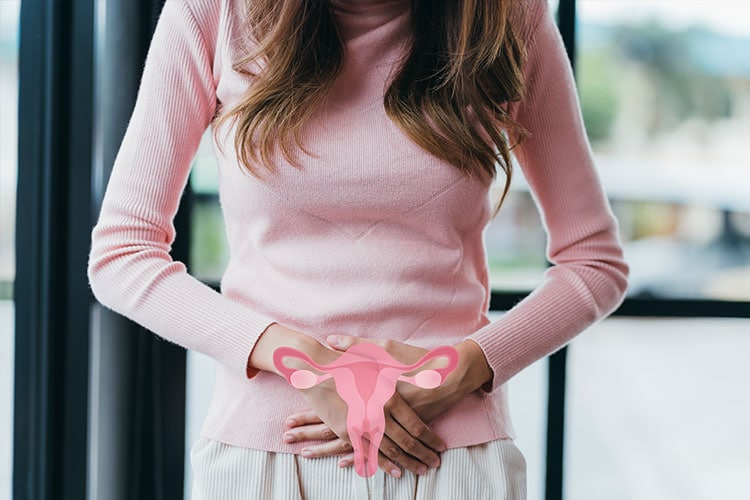
I was 15 when I was diagnosed with Polycystic Ovary Syndrome, otherwise known as PCOS. The age where I was supposed to be learning how to drive and navigate high school course work was suddenly replaced by doctor’s visits and self-negativity.
Polycystic Ovary Syndrome is a common condition in women that imbalances hormones in the ovaries. It’s become one of the primary factors of fertility struggles and other health risks such as; high blood pressure, diabetes, and obesity.
At first it was just irregular menstrual cycles. That’s what first sparked concern. As I grew older, the skin tags, acne, darkening of my skin, and hair thinning began. This suddenly became my new normal and was only discovered so early due to PCOS already being in my family. It’s common to start noticing symptoms after hitting puberty, but most women don’t get diagnosed until their 20’s to 30’s, according to Yale Medicine. At the age of 15, I didn’t know what to expect with the diagnosis or what my life would look like down the road.
I’ve gone my teenage years and early 20’s navigating this diagnosis. I’ve had no guidance in this medical journey, because there’s no doctors in my area that specialize in PCOS. My primary care doctor has provided me with the basic knowledge of my diagnosis, but nothing more.
Now, almost 6 years after my first initial diagnosis, I still don’t know exactly what to do with myself or lifestyle. I’ve just been “dealing” with this issue rather than trying to manage my symptoms. I know this is something that I should take seriously, but the lack of awareness towards this diagnosis has always been alarming. I don’t see PCOS being talked about on social media or in medical conversations compared to other medical diagnoses. While there is no true cure, I always question how many women live without knowing about this possible diagnosis.
I’ve never experienced the help or seen the support for women living with PCOS, while I know that’s not the case for everyone, I think it’s important that we have the resources available to be able to manage a PCOS diagnosis. If I have experienced the feeling of being alone, I want other women to know that they aren’t alone in their own journey.
Here’s how we can help raise awareness!
Sharing Resources on Social Media:
Since social media is such a prominent factor in our society, spreading resources and awareness on social media is a valuable contribution to giving awareness to PCOS. Following the PCOS Awareness Association on Instagram is just one of the platforms that gives women a comfortable space to find resources, managing tips, and insight from other women managing their diagnosis. Sharing what you see on social media will help continue the spread of awareness of PCOS.
Supporting the PCOS Awareness Association
This organization was created to spread awareness on PCOS and help manage the diagnosis on a global level. You can donate to the organization or join the “Cysterhood” where you can gain access through emails on latest events, research, and information regarding PCOS.
Communicate with others!
Just a small conversation with your friends, family, or doctor can help spread information and awareness about PCOS. Many women have never heard of the syndrome (like me!) and by communicating with others you can make the difference in how the information is spread across the world.
_____________________________
PCOS is a common diagnosis, and by providing the necessary information on the syndrome and giving women the space to feel comfortable in their own medical journey will make for a more acknowledged platform for women trying to manage their symptoms or discover PCOS. The symptoms of irregular periods, acne, fertility difficulties, hair thinning can be swept under the rug, but raising more awareness around PCOS will benefit many women nationwide.
It’s incredibly important to raise awareness on women’s health to help further research on PCOS cures and management strategies, allow early diagnosis to help manage symptoms early and improving lifestyles, and encourage women to seek medical help and encourage other women to do the same.
 ShoutOut! James Madison University