
With Thanksgiving and Black Friday having just passed, the holiday season is in full swing. For some, it is the most wonderful time of the year. A time to spread joy and spend quality time with friends and family. However, for others this season brings about increased levels of stress, anxiety, and depression.
According to the American Psychological Association, 38% of people experience an increase in stress during the holiday season. For those already living with a mental illness, 64% of people felt that their conditions worsened during the holidays. For this post we will examine why mental health tends to worsen during the holidays. We will also look at how to identify symptoms and raise awareness so that we can help ourselves and others through this holiday season.
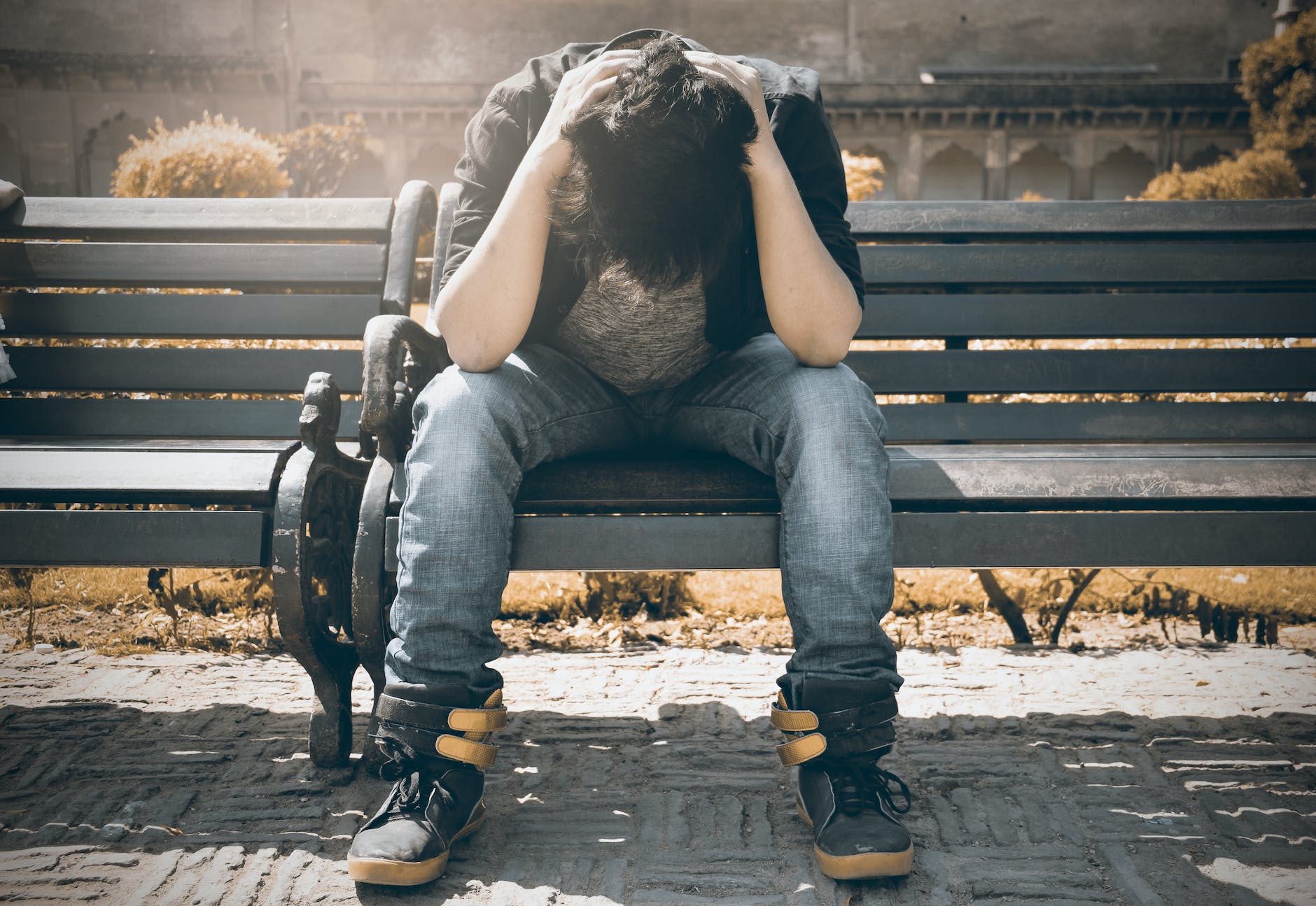
While there is no evidence that supports an increase in suicide or mental illness diagnoses during the holidays, there is evidence that symptoms associated with mental illness such as stress, depression, and anxiety increase. So, what causes these increases?
To begin, the holidays tend to put a lot of pressure on many people. Pressure to plan events, travel to events, and attend events can be extremely stressful. Many also feel an immense amount of financial pressure. According to a survey, 68% of people feel financially strained during the holidays. From paying for travel to buying gifts it is no surprise that many feel that the holidays bring about a lot of financial burdens.
Another staggering mental health issue that significantly increases during the holidays is a sense of loneliness. In fact, 66% of people experience a sense of loneliness this time of year. For many, this sense of loneliness can be caused by an inability to be with family and friends. Many factors can contribute to this sense of loneliness, including travel expenses, long working hours, or the loss of a loved one.
In addition, there is a phenomenon known as Seasonal Affective Disorder (SAD). Also commonly known as seasonal depression, SAD is a mental illness that occurs in people at the same time each year. Scientifically, the disorder is typically caused by the lack of sunlight that occurs during certain times of the year. People most commonly experience SAD during the winter. SAD can trigger feelings of hopelessness as well as a lack of energy.

Now that we have identified the causes of increased stress, depression, and anxiety during the holidays, I believe that it is important to recognize symptoms. Some internal symptoms include sadness, emptiness, hopelessness, guilt, and many more. Those symptoms however are often hard to identify.
While it is important to be open and honest with yourself and others if experiencing these symptoms, many tend to hide their feelings inside. Some key signs of stress, depression, and anxiety to recognize in others include, a loss of interest in hobbies, signs of fatigue, oversleeping or insomnia, weight loss or weight gain, and frequent changes in mood.
Many people are good at masking their feelings and sometimes you can never truly tell if someone is experiencing stress, depression, or anxiety. The best advice is to reach out loved ones, friends, and acquaintances this holiday season. While it is surely a very hectic time of the year, it is important to check in with those around you. If you yourself are experiencing any signs of stress, depression, or anxiety you are not alone. Reach out to family, friends, or a medical professional for help. It is essential for us to be good to ourselves and others this time of year.
Suicide and Crisis Lifeline: 988
Donate:
 ShoutOut! James Madison University
I really enjoyed this blog post! I think this is a very important topic to discuss. It is important to be mindful and conscious of other individuals feelings during this time. I agree that it is important to check up on your friends and loved ones to make sure everyone is doing ok. Thank you for sharing and providing helpful links/resources at the end of your blog post.
LikeLike
Thank you, thank you, for addressing the often-overlooked aspect of mental health during the holiday season. Your insights into the increased stress, anxiety, and depression many individuals face during this time are both informative and important. It can be really easy to forget that the holiday season falls on a time when many people face worsened mental health.
LikeLike
I greatly appreciate this blog post as I definitely relate to a lot of the content you wrote about. Many people overlook the severity of SAD and it’s impacts. SAD has impacted me for most of my life, but over the years, I have learned what works for me in order to combat my symptoms.
LikeLike
I really like this topic because a lot of people associate the holidays with a happy time that you can spend with your family and loved ones, but that isn’t the case for everyone. You showed how a lot of families struggle financially during this time because of the societal pressure to get gifts for people, and not everyone is able to afford things like that.
LikeLike
Thank you for sharing this post! I really enjoyed this new perspective about how the holidays can create a mentally straining time. I totally related and understand how this time is not always the happiest for everyone. Thank you for shedding light and a feminist perspective about holiday stress!
LikeLike
This topic needed to be talked about, seasonal depression affects me and my friends, and the stress of the holidays can worsen that. Thank you for bringing awareness to how the holidays can be an especially stressful time, especially since it is advertised as “jolly”. Thank you for addressing this topic in a respectful and educational manner
LikeLike
Thank you for this insightful post. The pressures people face during the holidays are not talked about enough. Those who are financially able to provide for themselves and have the luxury of spending time with family are not usually subject to a decline in mental health during this period. Mental health resources must be made more accessible, especially for individuals who may not be able to advocate for themselves due to their particular circumstances. I associate the holidays with happiness and spending time with family but it is important to understand that this is not a universal experience.
LikeLike
I think this topic is really important to address and raise awareness on. There is a stigma around holidays that it is a happy time that you spend with your family, and it is all smiles and fun. However, holidays can be really hard for many individuals for a plethora of reasons. Some people may have a hard home life or may not be able to afford some of the privileges that others have, and so much more. Raising awareness around this situation that is common for so many people is so important for everyone to understand the privilege that you may have or provide support to those who struggle during this time.
LikeLike