
In a world where transgender voices are often silenced, Will & Harper breaks through. Released on Netflix on September 27th, 2024, the documentary challenges the silenced narratives surrounding the transgender community. I found Will & Harper thanks to my mother and father, who urged my sister and me to watch as soon as we could. The insights I have gained and those others could as well are truly remarkable. Harper describes her experience of coming out and transitioning as “slow, and awkward, and terrifying, and joyful”. This documentary captures these complexities with honesty, depth, and humor inviting viewers to connect with Harper and her story.

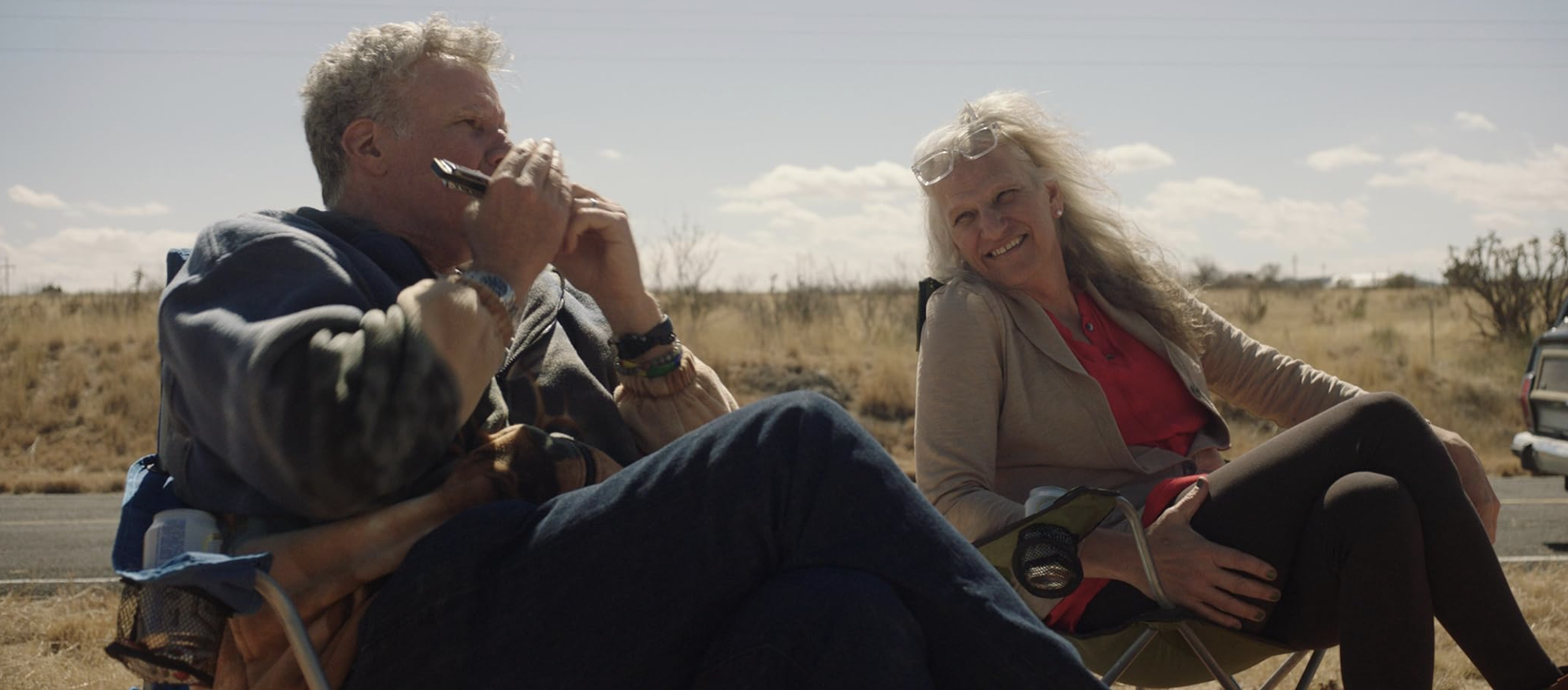
This documentary serves an essential purpose of educating people. Harper shares her experiences struggling with her identity, and in the process, both she and Will find themselves learning as well. They travel to various parts of the U.S. where most respond positively to Harper’s presence. To be quite frank, I was surprised they didn’t face problems in Oklahoma. I recognize that my understanding of Oklahoma is limited, shaped by media portrayals that often depict it as racist and homophobic. People are quick to assume, myself in that situation included. This thinking is exactly what the film seeks to challenge and eliminate. Going beyond educating about the transgender experience, it also reminds us that humanity is still very much alive. There is no place in which not being curious is acceptable. To progress, we must learn. From brief encounters with random people on the way, to significant conversations with old friends, they show that humanity is present and people must seek it out to understand.
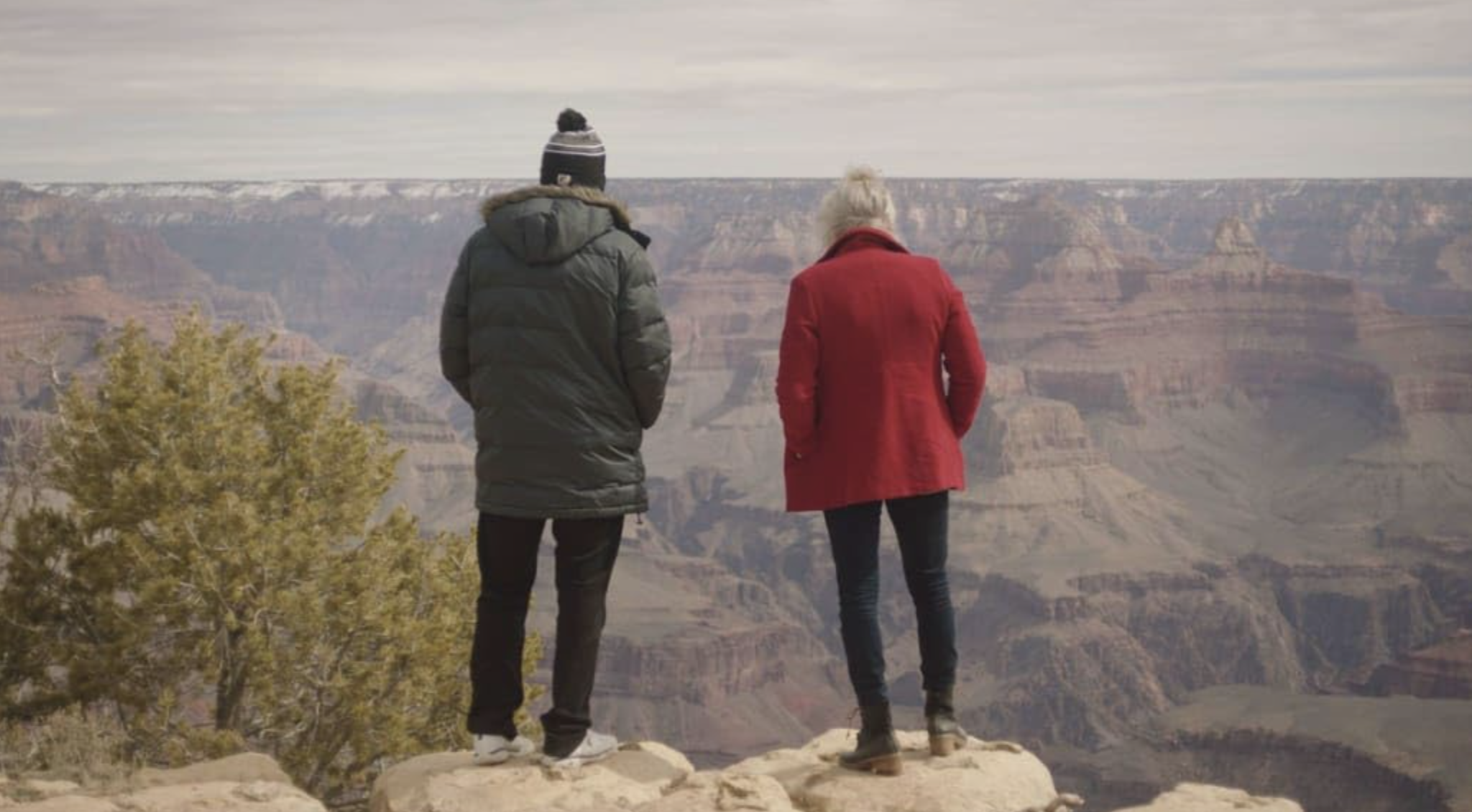
Beyond the themes of humanity, personal experience, and friendship, Will & Harper addresses the mental health challenges faced within the trans community. Harper was incredibly open about her struggles with mental health as she grappled with her identity. Harper’s therapist before her transition blatantly rejected the idea of Harper being a girl, telling her it was just her being defiant. In a striking conversation, a therapist reveals she once had a patient who expressed similar feelings. She admits that she did not handle this well and holds deep regrets. The patient’s profound moment of coming out and asking for help was completely dismissed. I could not help but wonder if the patient she speaks of ever did transition. If they will ever see this clip of the film. What it is like to live a life, an identity, you feel is false to your true self.

Sadly, many people I’ve met who oppose transgender identities often view being transgender or part of the LGBTQ+ community as a choice. Harper’s honesty provides these individuals a chance to see that Andrew was always Harper; her true self has always been there, waiting to be recognized. The intense stress of hiding the women’s clothes she brought on road trips was a burden she endured, as it allowed her brief moments of relief. The peace she felt when she would find a childhood photo of herself in which she looked like a little girl. For Harper and many other members of the trans community, suicidal thoughts loomed. Transitioning to become a woman saved Harper’s life.
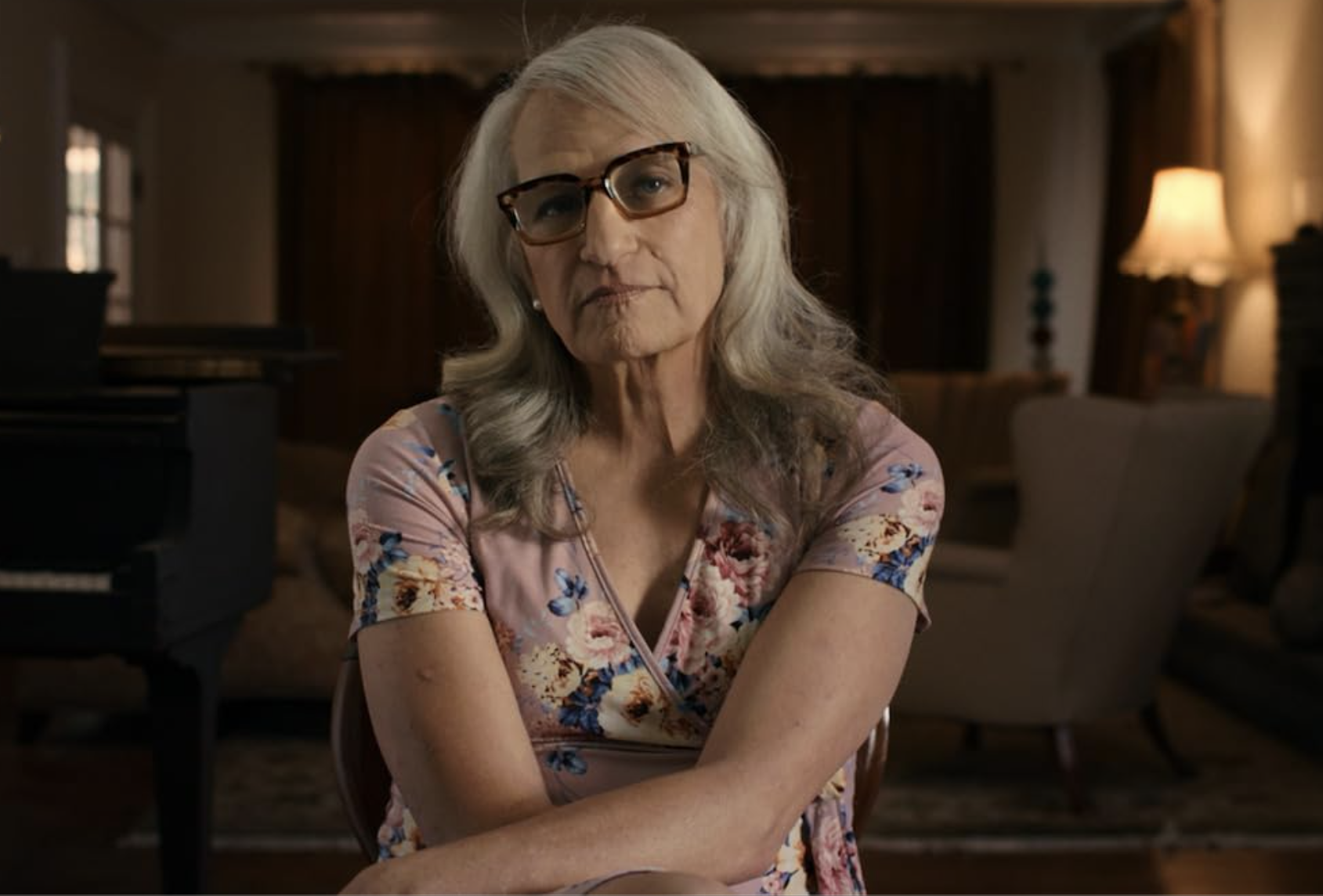
The film offers insights and, for some people, new ideas that encourage empathy and understanding. Will & Harper creates relatable experiences that bridge the gap between different perspectives. This documentary can be incredibly useful in educating and maybe creating understanding in those who do not sympathize with members of LGBTQ+ communities. For those who have a hard time understanding, watch this documentary, as Harper Steele surely establishes that to live life as yourself is a great gift.
 ShoutOut! James Madison University