
After a long 148 days, the WGA and SAG-AFTRA have finally reached an agreement to end the writers’ strike in Hollywood. The strike began over the summer due to inadequate pay as well as the growing concerns of AI replacing writers. An agreement was reached that will significantly increase writers’ wages along with many other benefits. This compromise is a big step for writers across Hollywood, but how will this effect women in the industry?
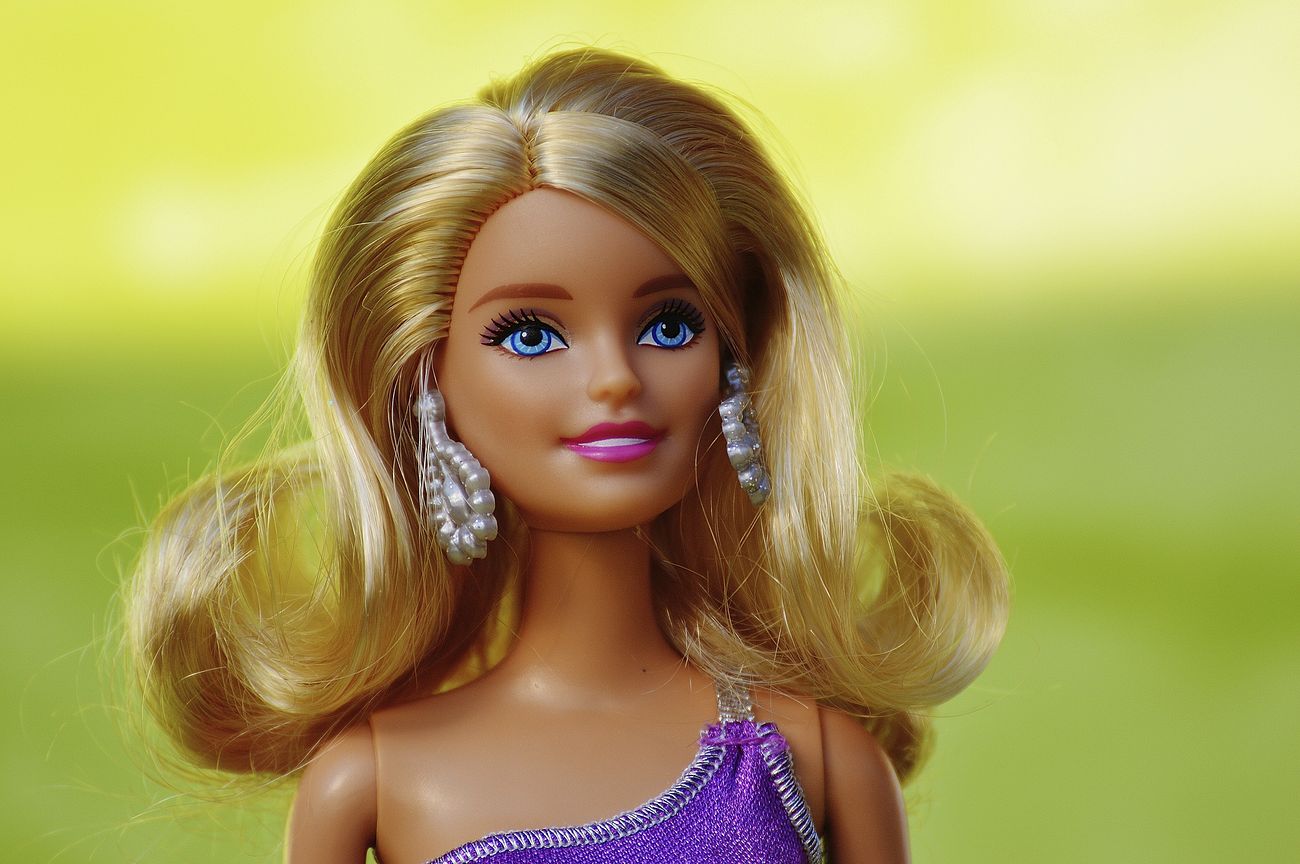
A little over a month after the strike began Greta Gerwig’s Barbie was released to widespread critical and commercial success. Grossing over a billion dollars in the box office, the film proved to be extremely significant for the spread of feminist ideas.
Gerwig is one the top writers in Hollywood, having proved her skill with other movies such as Little Women and Lady Bird (both of which exemplify many feminist themes). However, if I were to ask the general public of other popular female writers, the list may be short. This is because women make up a small percent of writers in Hollywood and many do not receive the widespread recognition that they deserve.
To no surprise, white men make up a large majority of not only writers in Hollywood, but producers as well. This severely hinders the ability of female writers in the field to strive and be heard. Female writers are incredibly important in expressing the ideas, feelings, and values of modern women. Unfortunately, this feminist expression has been proven difficult in a field where the majority of those in power do not see through the eyes of a woman.
“With such a dearth of female representation in front of and behind the camera, it’s a struggle to champion female stories and voices.”
Geena Davis Institute on Gender in Media
While women are at a disadvantage being a minority of writers in Hollywood, there are other groups that are even more marginalized. According to the WGA, women of color make up less than 10% of writers, LGBTQ+ members represent 6%, and writers with disabilities make up less than 1% of the Writers Guild. These numbers are staggering and display a clear systemic issue in Hollywood that needs to be fixed. So what else needs to be done?
This question is not so simple to answer. Underrepresented writers may have a hard time trying to strike again, considering that they just came off a 5-month hiatus in which most writers were not being paid. They also may have trouble bargaining with major studious, production companies, and streaming services because those in power tend to fear change.
I believe the best and most plausible outcome is for underrepresented writers to continue to write about themes that are meaningful and important to them. It has proven successful with Barbie, and it will continue to happen as long as writers continue to write about meaningful topics that have not seen much spotlight.
“Diversity of writers ultimately means diversity of stories, the kinds that have succeeded in recent years exactly because they tell authentic stories about communities in a way Hollywood has rarely done.”
– Chabeli Carrazana
While the agreement that was reached is extremely significant for all writers, it failed to show representation to writers who are not seen or heard to the level they deserve. The future if bright however and I believe we will continue to see successful stories of feminism on the big screen for years to come.
 ShoutOut! James Madison University