
Mental health across the board has been rising in adults in the U.S., around 20% of adults recorded experiencing mental health issues within the past 10 years. However, we see a large rise in mental health conditions among more women than men. Estimated around 1 in 5 women will experience a common mental health disorder within their lifetime. Common mental health disorders like anxiety and depression are said to be twice as likely in women than men. This got me thinking about why and how more women would be susceptible to mental health. Biological and social studies can explain how women might experience mental health issues differently and more commonly then men. Overall, to see differences in how women vs. men experience mental health. I read Dr. Emily Guarnotta’s, An Overview of Women’s Mental Health: Anxiety, Depression, & More to further my understanding.
Typically, more women experience depression and symptoms of loneliness due to more internalization of emotions. There is a higher risk for depression during hormonal changes, and as women, there are many stages of hormonal changes within the body. Such as puberty, pregnancy, and menopause. Depression can also manifest in two ways that are specific to women, peripartum and post-partum depression. Peripartum is depression that occurs during pregnancy and affects around 18% of women According to Dr. Guarnotta. While post-partum depression occurs after childbirth and affects 19% of women. Another woman-specific depression is premenstrual dysphoric disorder, which according to Dr. Guarnotta, “affects nearly 5% of women of childbearing age, PMDD is similar to premenstrual syndrome (PMS), but is more severe and affects a woman’s functioning.” This is a large number of women who experience these female-related conditions.

Other than biological factors to depression there is significant research to explain a lot of women experience depression due to sexual abuse, violence, poverty, and stress. Other examples of traumas are natural disaster aftermath, combat, and victims of crimes. These past traumas can lead to PTSD (post-traumatic stress disorder) This condition is more common in women than men. According to Dr. Guarnotta, “Women experience different symptoms of PTSD than men, with more anxiety and depression.”
We also see anxiety as a common condition that affects women. According to Dr. Guarnotta, “Women are twice as likely than men to suffer anxiety disorders.” Similar to depression the causes of anxiety tend to be hormonal changes, past traumas, and events. Anxiety can also occur with large amounts of stress. Women in the U.S. are largely labeled as the caretakers for their families, this societal standard can contributes to a lot of stress in their lives along with careers etc.
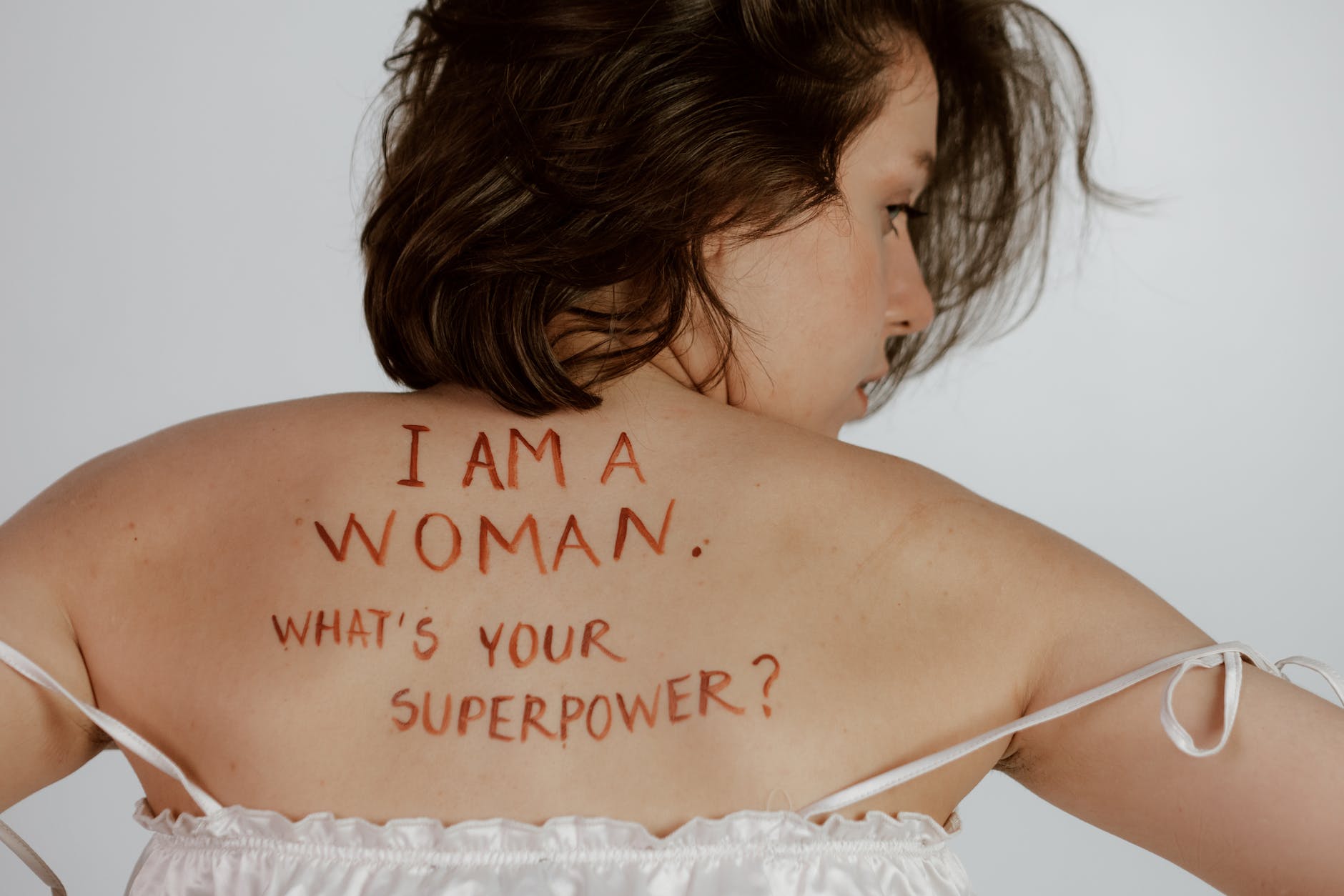
Women also experience eating disorders at a much higher rate than men. It is twice as common in women and is mostly experienced by adolescents and young adults. Anorexic, bulimia, and binge eating disorder are all considered eating disorders. This condition is largely associated with the rise of social media and standards. Societal standards only continue to feed into these unreal expectations with the rise of technology and social media. Young women have to grow up with expectations that can negatively affect them. These are severe conditions that usually co-exist with depression or anxiety.
We can see that there is a difference in mental health between men and women. Women are twice as likely to experience a condition due to biological or traumatic events. With the rise of mental health, there should be an emphasis on education and awareness of mental health in women. Before my research, I had little to no knowledge of women only mental health disorders like peripartum and PMDD. Other mental conditions that are twice as likely common to women should be addressed. Mental health awareness should be implemented everywhere but the overwhelming number of women who experience these disorders should be talked about more.
Source: https://www.choosingtherapy.com/womens-mental-health/
 ShoutOut! James Madison University
I loved this blog post! Mental health is very important to me, and I enjoyed this perspective and information. I didn’t realize that 1 in 5 women experience a common mental health disorder within their lifetime. I agree that mental health awareness should be implemented and talked about more. Thank you for sharing!
LikeLike
Your call for increased mental health awareness and education, especially concerning conditions that predominantly affect women, is a crucial step in working towards a more inclusive and supportive mental health landscape. It’s essential to continue advocating for a society that prioritizes mental well-being for all and fosters an environment where individuals, regardless of gender, can seek and receive the necessary help and understanding. What strategies or programs do you believe could be effective in addressing the unique mental health needs of women and reducing the prevalence of mental health disorders in this demographic?
LikeLike