
Shalini Kantayya, an Emmy-nominated filmmaker, delivered a compelling keynote speech this past Monday, September 23rd, in the Wilson Hall Auditorium at James Madison University as part of the Center for Global Engagement’s International Week. With a focus on the intersection of humanity, social change, art, race, and technology, Kantayya’s work, including her documentaries TikTok, Boom., Coded Bias, and Catching the Sun, addresses the pressing ethical questions surrounding our rapidly advancing digital landscape.
Kantayya began her presentation with a 30-minute screening of her latest documentary, TikTok, Boom. We touched on technology, new advancements, and the ethical implications and responsibilities that come with them. This documentary focuses largely on TikTok’s censorship, algorithms, and data collection. Making a striking point, Kantayya calls out those who do not feel threatened by data collection or algorithms as she explains the psychological profiles that can be built using this collected information. What happens to our sense of self when our choices are shaped by unseen algorithms? Again she asserts TikTok will know a child who began using the platform at 13 years old better than their own parents will by the time they’re 18. Is it ethical to allow developing minds to be influenced by persuasive algorithms fed by psychological profiles? Well, these algorithms have not been proven to be harmless.
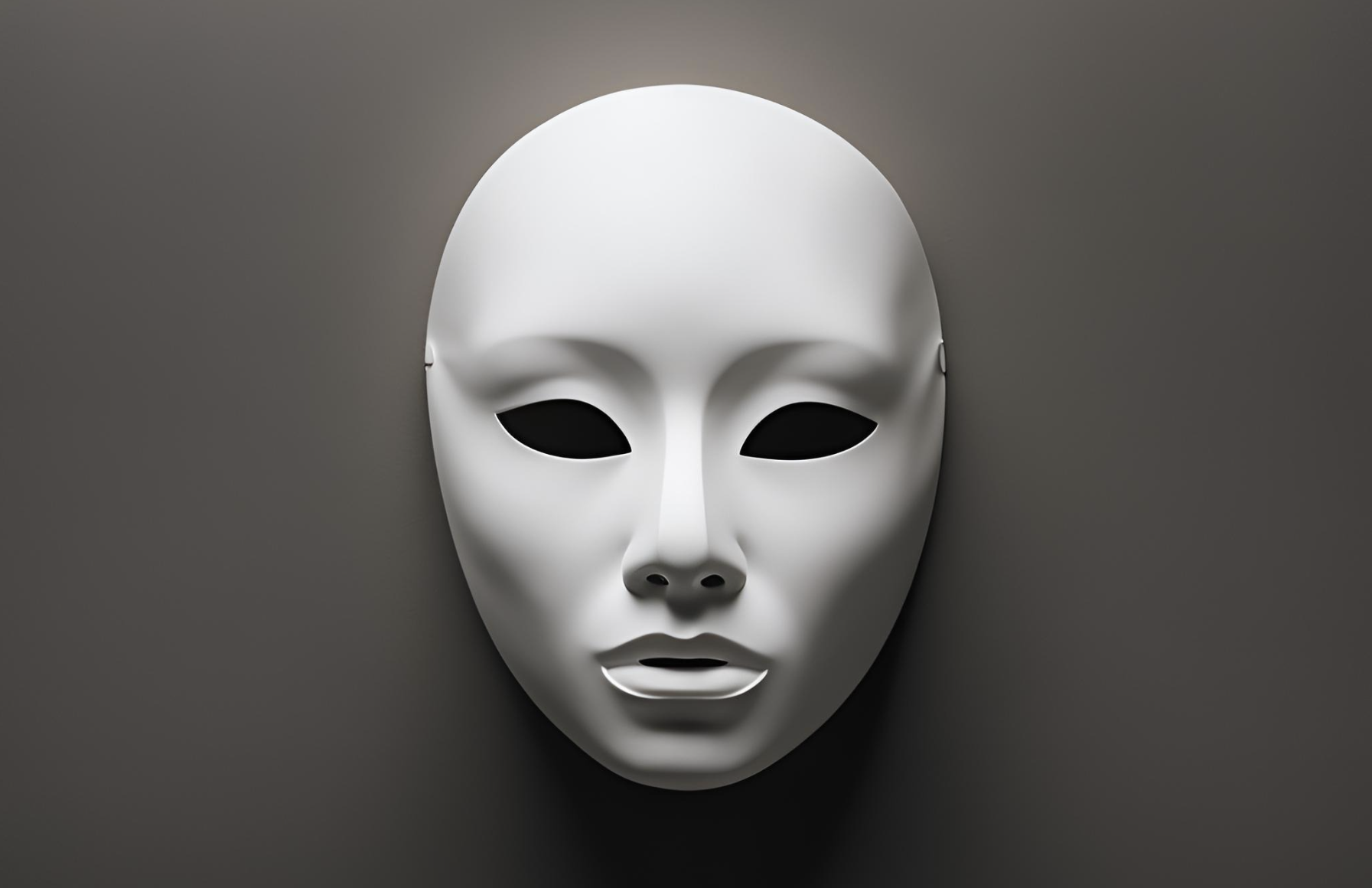
Kantayya showed us clips from her documentary Coded Bias, which investigates AI facial recognition software and the ethical concerns it raises. Specifically, the racial biases it implicates. This facial recognition software does not detect the faces of those with darker skin tones. In a stunning example, Dr. Joy Buolamwini and her work with this AI is shown. Her own face is not recognized by the software, but a plain, white costume mask is. The ‘face’ shown above isn’t representative of a living human. This technology fails to recognize the faces of real people and this technology is currently being implemented and used around the world. Law enforcement in the UK uses this software to “stop criminals”. Police stopped a young black male on the street that the racially biased software “recognized”, searched him, fingerprinted him, and then later let him go because this software is faulty. A quote from Kantayya encapsulated this situation perfectly: “When AI goes wrong, real lives are at stake”. She makes sure to say that this is not the only setting in which these algorithms and AI are problematic. We see it everywhere, ranging from healthcare to banking and credit.
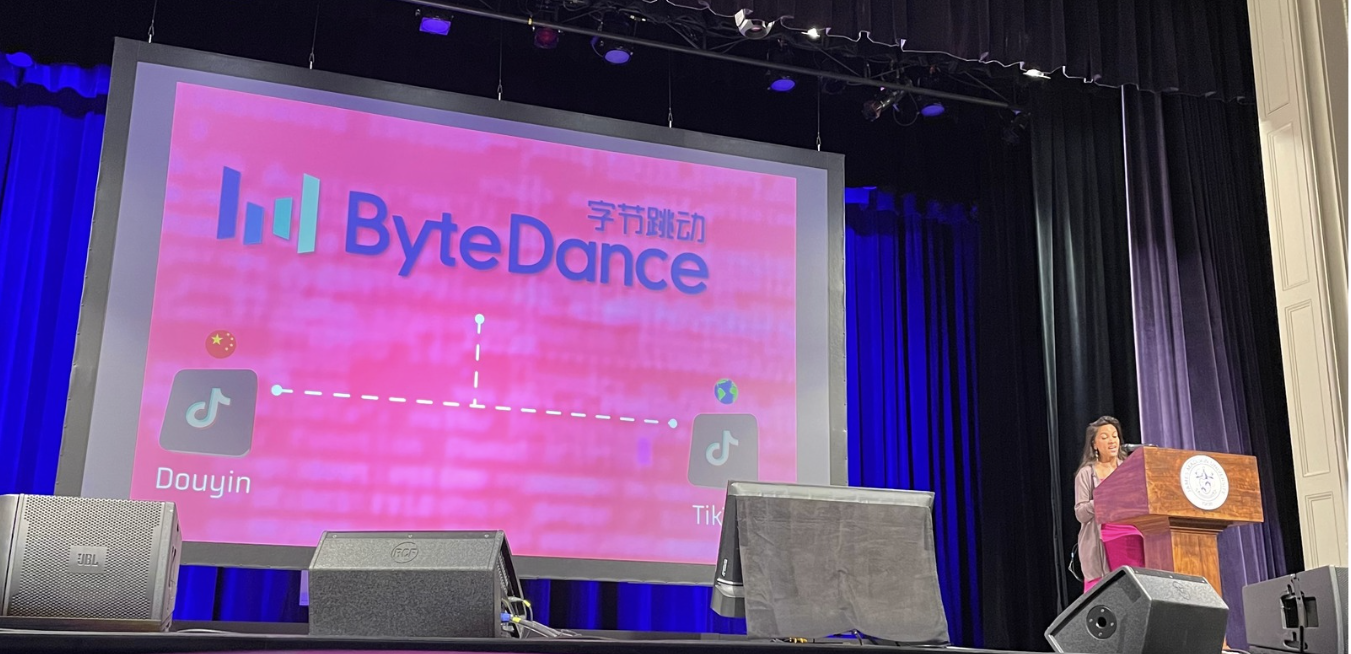
To bring awareness to issues such as the one discussed earlier, Kantayya found herself drawn to the art of filmmaking and directing. Quoted from Kantayya in her speech, documentaries “make heroes out of everyday people”. Art is a tool to facilitate the “radical experience” of identifying with someone different than you and a means for social change. Kantayya quotes Bertolt Brecht saying, “Art is not a mirror held up to reality but a hammer with which to shape it”.
Image from Shalini Kantayya’s Keynote Speech Slides at James Madison University
Considering the powerful messages Shalini Kantayya shares, one would expect JMU to have hosted this acclaimed filmmaker of color, a female voice of significance, with greater care. After having spoken to classmates, I was the only one who knew of this event. How is it that other invited speakers receive much more “hype” or promotion? What is it about money-making events at JMU, like sports, that captures more of the school’s focus? The thought-provoking social issues addressed in her documentaries and speeches are relevant and impactful to everyone. Aside from JMU’s failure to properly promote this event, the event itself focused more on “International Week” than it did her message. The clicker for her presentation slides didn’t work and no staff members bothered to help her fix it. In storytelling, timing is incredibly impactful and that was taken from her during this speech. We all need to do better as a community to amplify these voices and push their messages out for all to hear. Despite these few hiccups, Kantayya delivered a beautifully captivating speech highlighting the urgent need for ethical reflection in our technological advancements. Kantayya wants all aspiring storytellers to “just do it”. There will never be a better time than now.
 ShoutOut! James Madison University