
Accessibility
Access to menstrual products is a fundamental necessity, yet it’s often a luxury that many individuals, especially those from marginalized communities, cannot afford. For low-income individuals, the cost of pads and tampons can create significant financial tension, forcing them to prioritize basic needs like food and bills over menstrual hygiene. This financial burden deepens existing inequalities and perpetuates cycles of poverty throughout the globe. By providing free access to menstrual products, we can reduce this burden in order to promote greater equity among menstruators. By ensuring that everyone has access to these products not only relieves financial stress but also supports dignity and respects the basic human right to manage one’s bodily functions without hardship. In doing so, we must take a significant step towards building more inclusive societies where individuals can navigate menstruation with dignity and without sacrificing their overall well-being due to economic constraints.
Empowerment
Menstruation is known as an unfair burden in today’s society. It contributes to feelings of shame and embarrassment, particularly among those who face financial constraints towards accessing menstrual products. For individuals already struggling with economic hardship, the inability to afford basic hygiene products can aggravate these negative emotions. This ultimately diminishes their sense of pride and self worth, but by providing free menstrual products, we not only address the need for hygiene but we are also able to send a powerful message of inclusivity and respect for every individual’s body. Access to these products ensures that menstruators can manage their periods without compromising their dignity, allowing them to engage fully in daily activities without fear of leaks or discomfort. Moreover, by normalizing the provision of menstrual products, we chip away at the societal stigma surrounding menstruation, fostering an environment where open conversations about reproductive health are welcomed rather than shunned.
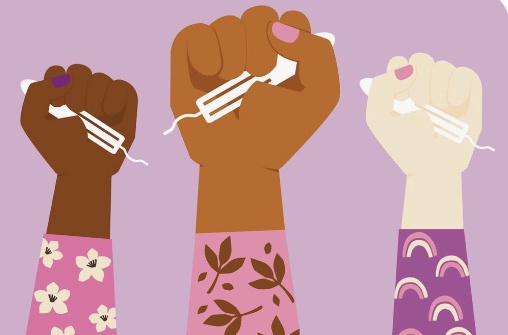
Empowering individuals with access to free menstrual products is more than a matter of its convenience; it’s embracing of human rights and equality. When we take away these financial barriers to menstrual hygiene, we enable individuals to reclaim control over their bodies and participate fully in society without the burden of shame or embarrassment. It’s a crucial step toward building a more compassionate world where every person’s dignity is upheld, regardless of their economic status or gender identity.
Public health
By addressing menstrual health as a public health issue, we not only improve individual well-being but also create an effect that benefits entire communities as a whole. For example, ensuring access to menstrual products in schools can help keep menstruating students in class, promoting continuity in education and reducing dropout rates. In workplaces, providing menstrual hygiene facilities can enhance productivity and employee satisfaction, leading to a healthier and more inclusive work environment.Investing in menstrual hygiene aligns with extensive efforts to achieve the United Nations Sustainable Development Goals, especially those related to gender equality, health, and sanitation. By prioritizing menstrual health, we are able to advance gender equity by acknowledging and addressing the unique needs and challenges faced by menstruators.
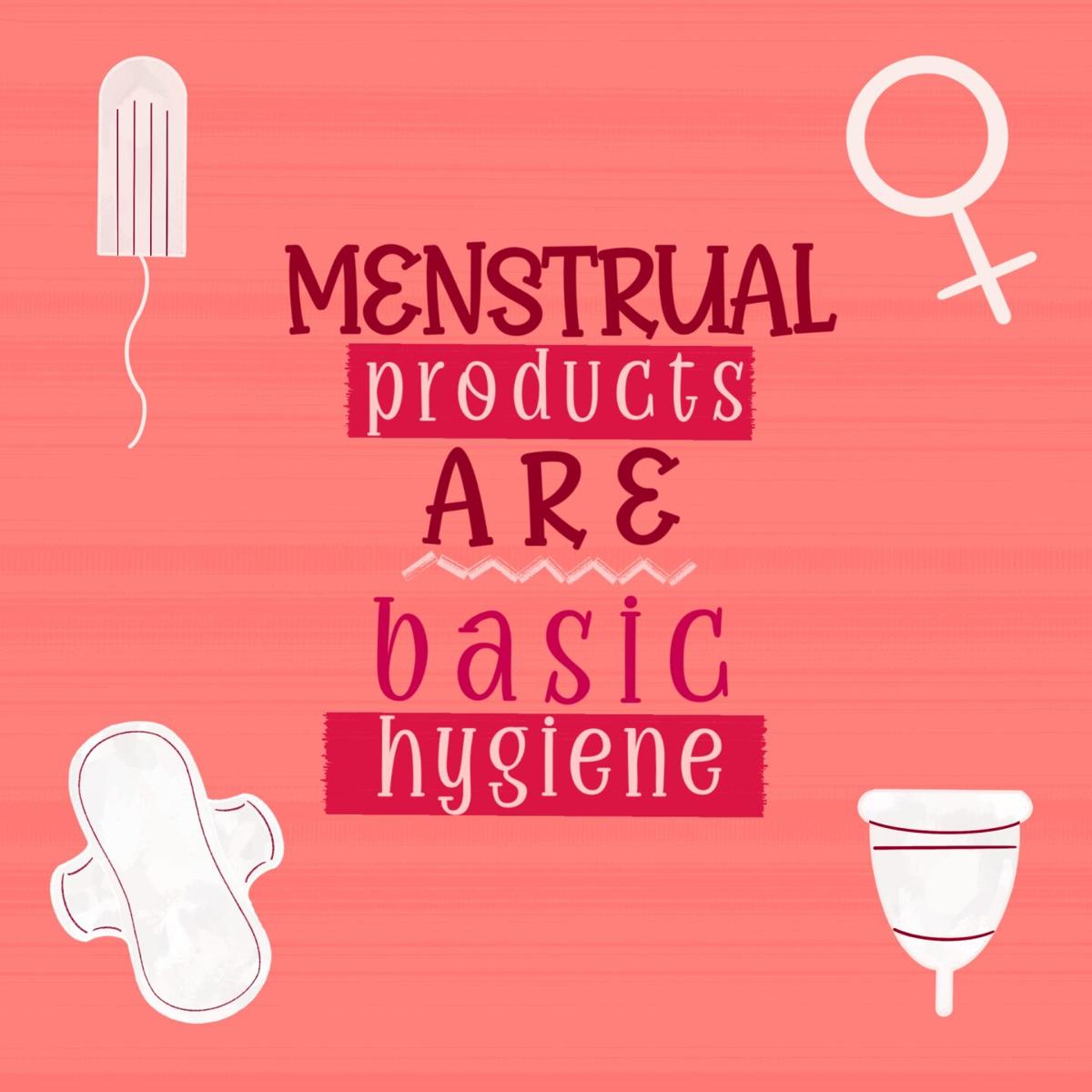
By recognizing as well as prioritizing menstrual health as a public health issue is not only a matter of basic human rights but also critical in the well being of communities worldwide. By ensuring access to clean and safe menstrual products, improving hygiene infrastructure, and promoting education and awareness, we take essential steps towards building healthier, more unbiased societies for all.
 ShoutOut! James Madison University