
The household image of what an eating disorder looks like is typically presented through the image of a young girl, who is struggling to eat, keep food down, or has lack of control over eating. The reality of eating disorders is that people of all ethnicities, genders, sexualities, and ages are affected by these serious health conditions. It is important to keep in mind the range of people who are affected by this. Studies emphasize the disproportionate impact of these disorders on the LGBTQ+ community, emphasizing the need for empathetic understanding and support. Let’s delve into these complexities, with awareness and compassion for those affected.
Expanding the Lens of Eating Disorders
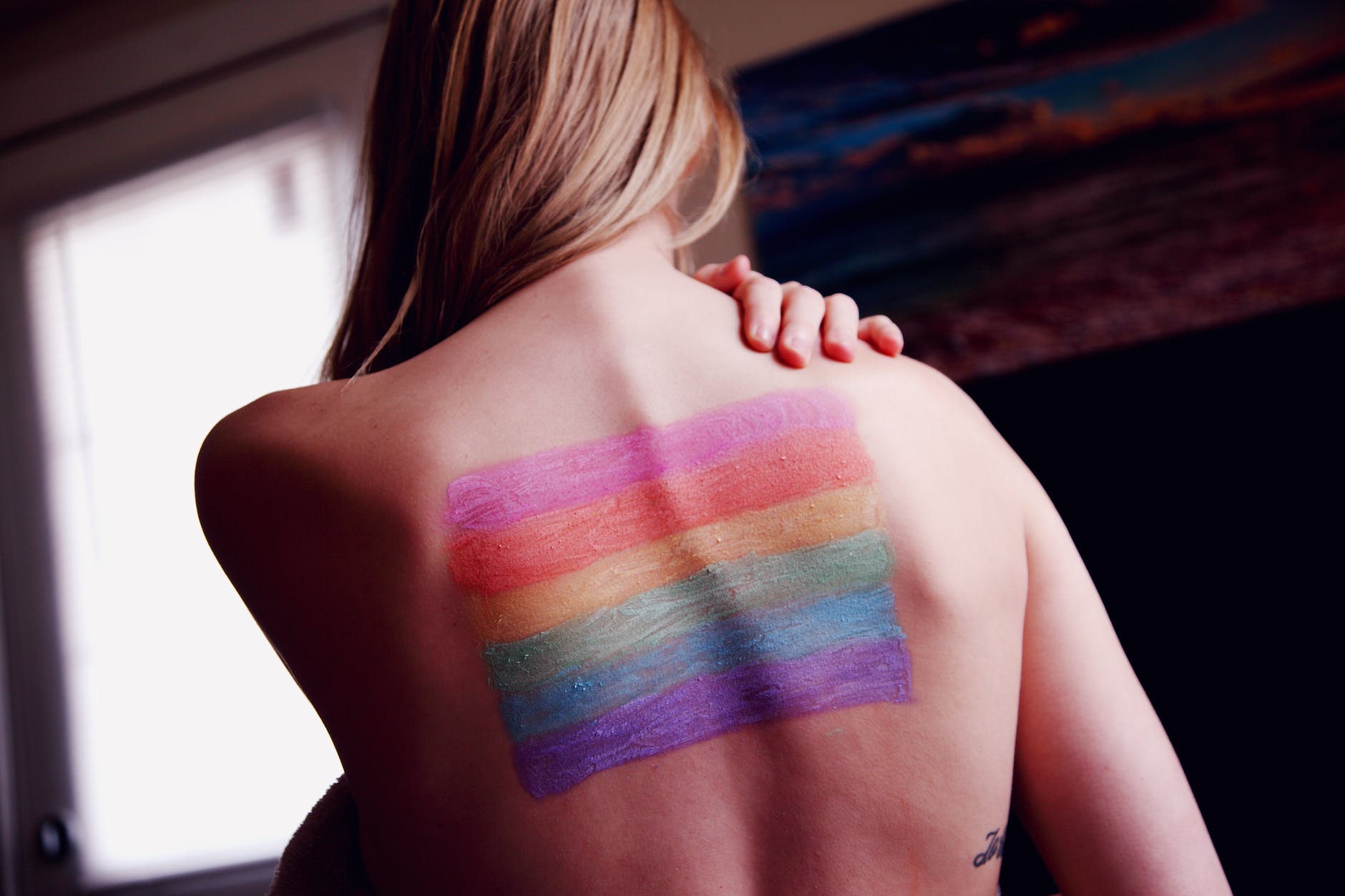
The harmful mental effects that these teens face from society can trigger eating disorders. According to an article entitled, Eating Disorders in LGBTQ+ Populations, some of these factors can include “fear of rejection or experience of rejections by friends, family, and co-workers, internalized negative messages/beliefs about oneself due to sexual orientation, non-normative gender expressions, or transgender identity, and being a victim of bullying due to one’s sexual orientation and/or gender identity.” Studies have also found that the LGBTQ+ youth have a higher chance of being the victim of bullying. An article by the Human Rights Campaign reveals that “43% of transgender youth have been bullied on school property. 29% of transgender youth, 21% of gay and lesbian youth and 22% of bisexual youth have attempted suicide.” This statistic is highly concerning considering the lack of accessible counseling offered for this youth group.
In middle and high school, I remember briefly learning about eating disorders. There might have been one or two meetings including all of the girls in my grade to discuss the harmful effects of anorexia, bulimia, and binge eating. This topic was brushed over and resources to help those suffering from these disorders were scarce and difficult to find. Given the lack of education my peers and I had been exposed to, many of my friends developed eating disorders. Lunchtime became a haunting ritual for some girls, they would barely eat at lunch and made themselves throw up when they did eat. Teachers were present at every table in the cafeteria, and none of them expressed any concern towards the prevalent trend of only having water at lunch. I was very aware of the girls in my grade who were struggling with this, but I had failed to see that a similar trend was affecting two of my male friends who are a part of the LGBTQ+ community. Due to the lack of education I had received on eating disorders as a teenager, I was nearly blind to the range of people that can be affected by this health condition. I was very unaware that men in general could experience eating disorders, and I had no idea that there was a higher chance of those in the LGBTQ+ community to develop such disorders.
After I graduated high school, my male friends opened up to me about their disordered eating habits. They revealed to me that they had been struggling with their body image for years and I realized how I neglected ever considering that they would be insecure about their bodies. Eating disorders are already rarely talked about, and when they are brought up, it is typically concerning young females and their struggles. I think that the lack of conversation regarding other identities struggling with eating disorders makes it harder for those groups to identify their eating habits as an eating disorder, as well as finding support within their community to confront these issues. The truth of the matter is that anybody with a body can develop body image issues and eating disorders, and there should be a full spectrum awareness regarding the truth of who can be affected.
The intersectionality of these experiences emphasizes the need for inclusive dialogue and affective approaches. Encouraging conversations and awareness initiatives can create a more supportive environment that raises awareness towards the diverse faces of eating disorders, ensuring that no one is left unheard or unsupported in their struggles.
The Trevor Project found that “9% of LGBTQ youth ages 13–24 stated that they have been diagnosed with an eating disorder, with an additional 29% stating they haven’t ever been diagnosed but suspect that they might have an eating disorder.” Additionally, this article raises awareness to the fact that these teens are four times more likely to commit suicide compared to those who never struggled with an eating disorder. This statistic illuminates the intersectionality of mental health challenges faced by LGBTQ+ individuals, emphasizing the need for comprehensive mental health support systems tailored to their specific needs.
In response to these alarming statistics, it is imperative for educational institutions, healthcare providers, and communities to take proactive measures. I think change begins with educating teachers, students, and communities of the signs of eating disorders, how to address these topics, and appropriate preventive measures. Schools can create mental health programs that not only address eating disorders but also provide a safe space for LGBTQ+ students to express their concerns and receive the help they need. Healthcare professionals should undergo LGBTQ+ inclusive training to ensure that they can provide appropriate and sensitive care. Additionally, community organizations and support networks can provide a space that fosters acceptance, understanding, and creates environments where LGBTQ+ individuals feel valued and supported in their journey toward recovery.
Families and friends can also play a big role in helping their loved ones begin on a better path. Open communication and unconditional acceptance can help break down stigmas and embrace the diversity within different communities. Together, through awareness, education, and compassion, we can create a world where everyone feels valued, supported, and hopeful about their future, free from the burden of eating disorders and mental health struggles. If you or a loved one is struggling with an eating disorder or mental health issues, know you are not alone and there are many online supportive resources. To access free online support and counselling, click here.
 ShoutOut! James Madison University
The Trevor Project does such good work so I am happy you mentioned them! They have crisis services, advocacy platforms, participate in research, have interactive platforms, and help to inform educators on the needs of LGBTQIA+ youth!
LikeLike