
Can you see my cellulite in these shorts? Does my stomach look too bloated in these leggings? Are my stomach rolls accentuated in this tank top? I’m tired of asking myself these questions when I look in the mirror.

Just last week I had a breakdown over how I looked in my favorite workout set. Tears streamed down my face as I looked in the mirror and I started to tear myself down bit by bit.
I have a feeling I am not alone in this experience.
Our media centered society makes it nearly impossible to escape messages pertaining to ideal body types. I have found myself scrolling for hours on social media and watching video after video about new workouts, new diets, and “hacks” to achieve “the perfect body.”
But in reality, there is no perfect body. All bodies are good bodies.

Tik Tok creator, Jordan Reichert, came across my page a couple months ago and her content has served as a breath of fresh air ever since. On days where I am not thinking kind thoughts about my appearance, I often seek out her content to uplift my thoughts.
Jordan’s content started out as an “accountability log” on her weight loss journey and struggles with eating disorders as a professional dancer.

Now, Jordan is the lead instructor at a CycleBar in Kansas City and strives to cultivate a “community that educates both group fitness instructors and clients on turning body neutrality + inclusivity into a sustainable lifestyle.”
“I am passionate about building a community where everybody and every body matters.” -Jordan Reichert.
Inclusivity and body positivity are two themes that are promoted throughout hundreds of Jordan’s posts. Some of her messages include:
- Body Neutrality
- Appreciating the bodies we have and what they do for us.
- Ditching Diet Culture
- We don’t need to earn our food and shame should not motivate us into movement.
- Offering Modifications in Group Exercise Classes
- All bodies belong in a group exercise class. Those instructing should structure class in such a way that is accommodating to all who want to participate.
- Making Everyone Feel Like Someone
- We can spread positivity and inclusivity by lifting one another up and meeting each other where we are. We are all human and we all just want to feel seen, heard, and loved.
Social media can be such a toxic place. The content we consume truly has the ability to shape the way we think about our bodies and ourselves in general. We all share a responsibility to build one another up.
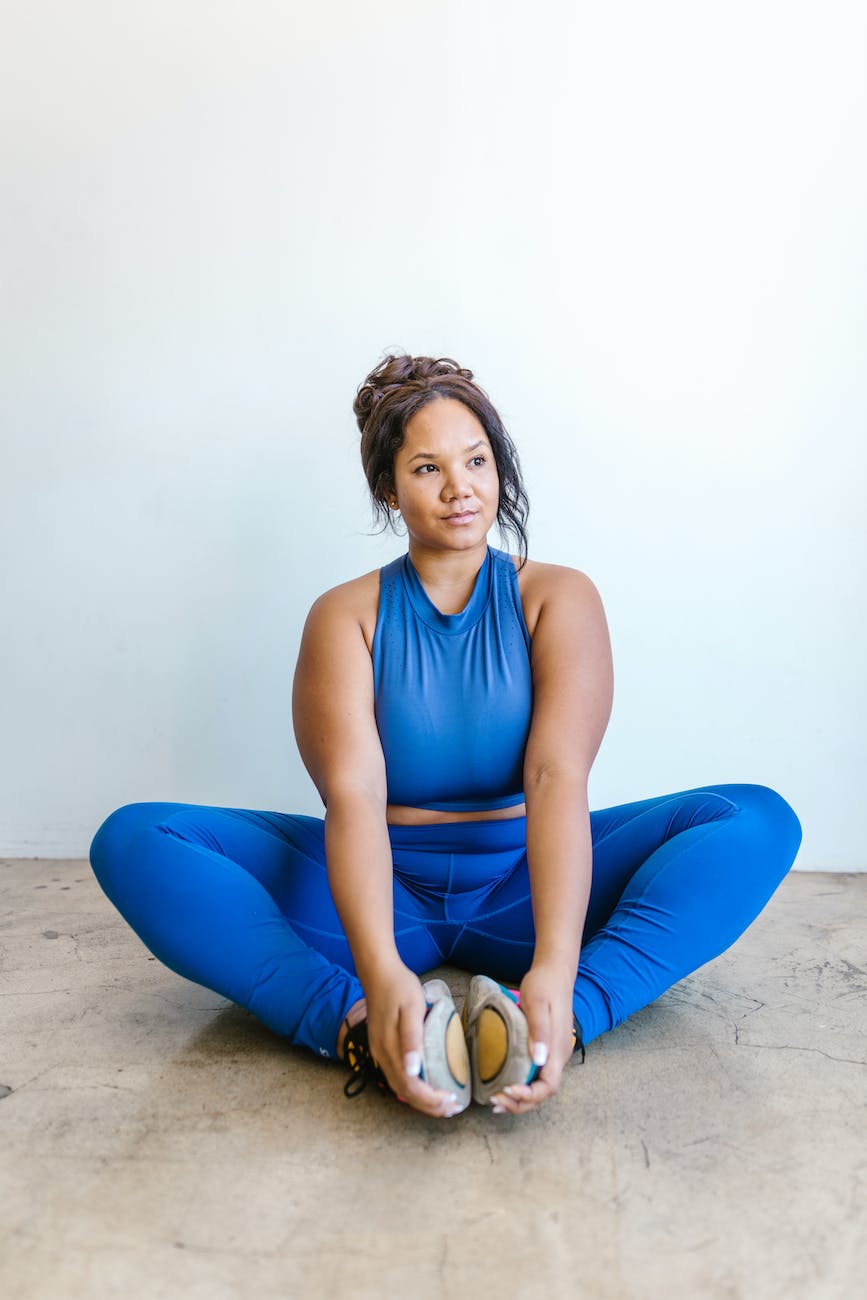
Body neutrality became a popularized term starting in 2015. Jordan’s platform promotes the use of body neutrality over body positivity because neutrality encourages us to accept our bodies and to recognize what it can achieve. Overall, the sense of neutrality suggests a middle ground. Rather than adding the pressure to love our bodies, it merely redirects negative self talk towards our appearances.
Creators such as Jordan can inspire and motivate us into making and sharing content that aims to spread messages of positivity and inclusivity. How would our world look if the norm in our social media spaces were messages like Jordan’s? These ideals can stretch far beyond the realm of fitness and can be applied to many areas of our lives.
Together, let’s lift each other up. Let’s make body image our b!tch.
 ShoutOut! James Madison University
I absolutely loved this post. Growing up, I struggled with body image so much. I’d say only in the pst 1-2 years I have grown to be more comfortable in my skin. I love that you give information about the term “body neutrality,” which I had not heard before. Without even realizing it, I’ve been striving towards neutrality for the past year or so which has helped me gain a lot of confidence.
LikeLike
I appreciate how you’ve brought up body neutrality because I believe people often gravitate towards body positivity which at the end of the day is unrealistic and often perpetuates an unhealthy mindset. Forced positivity and forcing someone to love their body just feels unattainable and feels as though it really limits us in terms of our relationships to our bodies. Furthermore, the movement has been co-opted by people who seek to utilize the body positivity message as a brand, as a product, thus positioning body positivity as something that can be attained through the purchasing of various products or watching a certain number of videos. Fiscal motivations have diluted the movement and have also been dominated by white women, meanwhile other populations continue to be disproportionately impacted by our outdated and honestly racist origins of anti-fatness.
LikeLike