
Most women have a morning routine; it may include making coffee, checking your mail, brushing your teeth, and usually doing your makeup. We have preferences based on skin tone, styles, and age. But when did makeup become a part of our daily routine? And where did the popularity of makeup stem?
The irony of the situation is that (like most fashions) men and women participated in adorning their faces and body thousands of years ago. In Ancient Egypt, men and women wore makeup to protect against the sun, lining their eyes with kohl. The kohl was also believed to protect against the evil eye. Other products the Egyptians used were believed to fight against wrinkles, scars, and stretch marks and also encourage hair growth.
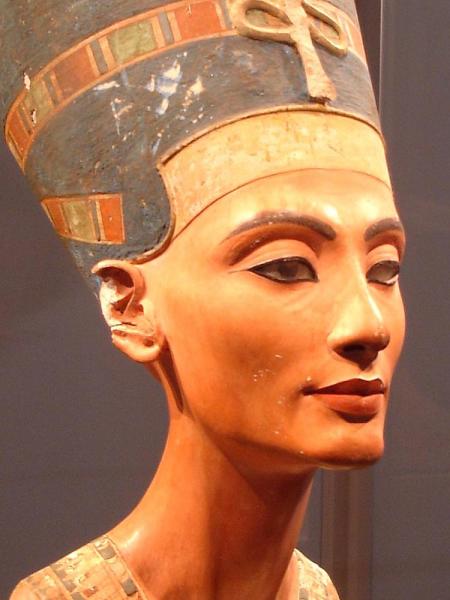
Much like the Egyptians, in Greece makeup was worn to cover up flaws. But the men of Greece actual preferred their women natural, unless they were to appear in the Greek court. Women would use herbal pastes and crushed berries, they would also coat their face with white powder and, dangerously enough, lead to lighten their complexion.
During the Middle Ages, the church started to look down upon makeup, regarding it as sinful. Queen Victoria went on to ban it and deemed it vulgar. Fast-forward to the roaring 20’s and makeup boomed. Flappers wore makeup and dressed dramatically, they also started going out alone, smoking, drinking and doing everything women were not ‘supposed’ to do.
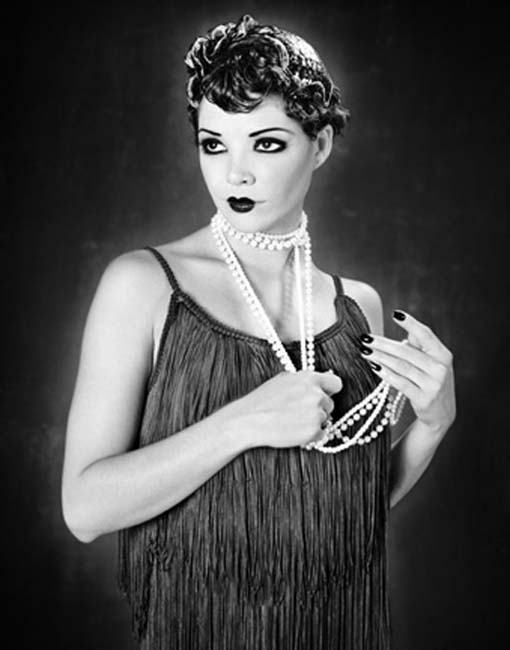
Looking at this timeline of how makeup was used over centauries, it is evident that at first make up was used to emphasize natural beauty. It then evolved in a way that harmed women but, coincidently as time went on, it was then used to symbolize independence and a movement towards women’s suffrage.
In our day in age, makeup is normalized. A women is told to wear makeup ‘because she is worth it’, and to ‘do it for herself’. Women have been told that makeup can be natural (which in and of itself makes no sense), and that wearing no makeup is letting your self go.
I cannot say I don’t wear makeup, because I do. The days I do go without makeup, I don’t necessarily feel as though I did not give 100% in getting ready that day, but I also don’t feel like I’m 100% my best.

I think at times I get dressed-up more because I don’t want to deal with the judgment of other women rather than trying to impress men. Is that why makeup has maintained so prevalent? Are we are in fact trying to compete with other women, either for superiority in a social field, or maybe a professional field? Does this competition continue because we are in the presence of men, or would it happen nonetheless?
 ShoutOut! James Madison University
I thought your post was really interesting and I like the questions you had in the end. In response to those questions I think that we are not necessarily in competition with other women but because of other women we feel the need to participate in these culture practices of putting on makeup. We wear makeup because its just a culture norm. I would argue that whether or not we were around men we would still wear makeup because of this norm, unless the norm changed it will probably stick no matter what.
LikeLike
I agree with Kate, I don’t feel like I wear makeup to *compete* with other women – but I do often feel that women are more likely to appreciate the style or creativity of makeup in ways that men do not. In that way I see it as more of a creative expression for others who also view makeup in that way. I do think that my makeup use is strongly tied to norms for women looking put together. After I read this post I thought, I should go a school day without makeup. When it came to it, I just felt like I would be really uncomfortable all day. This, I think, is a cause for some concern.
LikeLike