
With the Valentine’s Day hoopla now behind us and Springtime approaching, many of us are on the lookout for blossoming romance. It can be indimidating to approach someone you’re interested in, and there are many schools of thought when it comes to flirting. But wait! You say. With all of the messages I get about acceptable ways to flirt, how can I tell if my way is flattering, or just a one-way ticket to Stalkerville? Well, I am delighted that you asked.
First of all, I’d like to say congratulations. The fact that you are concerned about your behavior indicates that you are aware of the prevalence of stalking behavior affecting so many people, and particularly women, today. But I know I’m not a stalker, you think. I don’t follow my crush around in a creepy white van or take photos of them while they’re changing. That is an excellent start! Unfortunately, stalker behavior includes much more than a pair of creepy binoculars. In fact, much of the courtship behavior we consume in the media includes some type of stalker behavior, and you guessed it: this translates to high incidents of real-life stalking. So what’s a lonely heart to do? Read on, and we’ll examine some of these stalking behaviors that are masquerading as romantic gestures.
A great example of stalking behavior is demonstrated by the character Prince Charming in the TV show, “Once Upon A Time.” [SPOILER ALERT: SEASON 1] Characters Snow White and Prince Charming were in love, until fate (and their families) intervened. Snow White is told that the prince will be killed if they stay together, so she drinks a potion to forget about him and runs away. Prince charming learns about her departure, and searches for her until he finds her. When he gets there, she tells him that she knows he is the person she made herself forget, and that she wants him to leave her alone. But the Prince knows they’re meant to be together and sticks around, telling her that he won’t leave until she changes her mind. He even grabs and kisses her in hopes that it will make her remember, much to her protesting. Eventually, though, she does remember, and is so glad that he came back into her life. Sound familiar? It should.
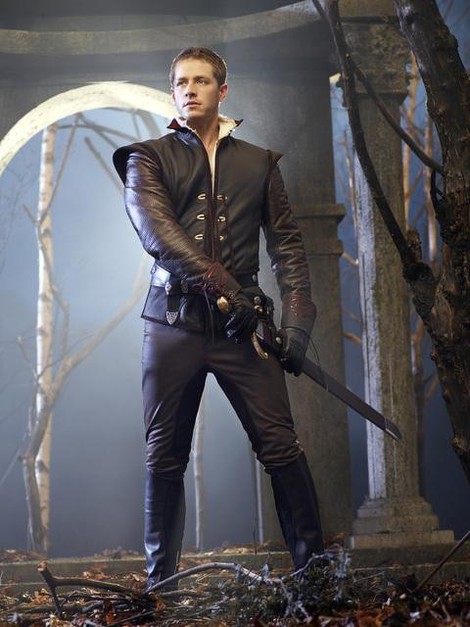
Because we have been primed with the Disney version of Snow White, we know where the plot is supposed to go: the two lovebirds are meant to end up together. However, if we take away the familiarity of the characters, we have a pretty terrifying narrative. Two people are together for a while, and one of them breaks it off. The other, instead of accepting this, tracks and follows her until he finds her. She tells him explicitly to leave her alone, and he refuses. He gets physical against her will, and still refuses to leave until she changes her mind about him. Now, the audience knows that Snow White left because she still loved the Prince, but the Prince doesn’t know this. He doesn’t know why she left, but decides that he is entitled to her because of what he wants, even when she tells him she doesn’t want it. Scared yet? Look closer at the TV and movies you watch, and you’ll see it everywhere: men engaging in societally-approved stalker behavior toward women.
If this is so prevalent, then why don’t I notice it? You ask. Great question! Part of it is that the audience is able to forgive, and even expect, aggressive pursuing behavior among male characters because the familiar narrative of boy-meets-girl gives us knowledge that the characters don’t have: in most of these plots, we know from the beginning that the characters will end up together. Because we know this, we presuppose the female character’s consent, because we know that ultimately she will love him. The lesson has already been taught: when men aggressively pursue a female love interest, they are allowed to ignore her indifference, refusals, disgust, and sometimes even fear, and still get the girl in the end. The problem here is that real life does not work this way.
In the real world, women are victims of stalking and aggressive behavior every day. For the person doing the pursuing, this ostensibly seems just like the movie plot: you know that the two of you should end up together, so if you just try hard enough, she’ll stop running away from you and fall into your arms. This movie plot brought to life translates into a lot of people who won’t take no for an answer when pursuing women. If that sounds scary to you, it should. This kind of normalized aggressive behavior contributes to a culture where we think that women don’t have a say in their own sexual or romantic experience. So the next time you see a character pursing a woman, take a moment to think about whether the behavior you’re witnessing is stalker behavior. And the next time you’re pursuing someone, please remember that anything but “yes” really does mean “no.”
 ShoutOut! James Madison University
Great post! I have thought this so many times about “romantic” movies – why can’t he just leave her alone and move on?! However, I have never really thought about these movies in context of the stalking/violence that is so often enacted against women. It’s a very relevant connection – thanks for writing!
LikeLike
Excellent post – as always!
LikeLike
Awesome post! It’s amazing to see how things that we see as “not that big a deal” can have such an impact on the way we live. It’s amazing to see how easily the line gets blurred between romantic overtures and stalker behavior, especially in the media.
LikeLike
This is great!! I was just thinking the other day about how the media often construes stalking as romantic–“he just can’t let her go!” No, it’s not cute, and it’s not acceptable. Thank you for your insights; you’re spot-on.
LikeLike
Thanks, all! I definitely agree that the line tends to get pretty blurry between romance and stalking, but I think a lot of that has to do with the way we are socialized. For instance, if the genders were switched between characters, we would think “she’s so crazy and obsessed,” instead of “how romantic of him” for the same behavior.
LikeLike
I kept thinking of this post as I watched an episode of Girls where the main character Hannah’s ex-boyfriend Adam keeps calling her, sending her sad song videos, and finally uses a key she gave him for emergencies to enter her apartment uninvited. It was really tough to watch especially after your post made me more aware of how often we see men unwilling to “take no for an answer.” I think Adam even said it was his “manness” that wouldn’t let him just give up and leave her alone.
LikeLike
That is really interesting. Was it portrayed as scary in the show, or was it supposed to seem romantic? Realistically, if my ex wouldn’t stop contacting me and came into my home uninvited, I would be unnerved, not appreciative. It’s interesting that the character names it as an attribute of his masculinity that encourages him to participate in this behavior.
LikeLike