
To kick off my blogging for the semester, I’d like to start with a lighthearted topic. There are endless criticisms to be made from a feminist’s standpoint, but today I have nothing but praise for Tina Fey’s autobiographical novel, Bossypants. The author blends together what I believe to be the most beautiful combination since chocolate and peanut butter: humor and feminism. Now I’ve always associated Tina Fey with feminism, but for me reading her book would be the true determinant of her feminist standpoint. The sketches she writes/acts in on Saturday Night Live have a strong feministy feel, so I was interested to see if she would bring up feminism in her novel. Don’t worry, she does- and it’s awesome.
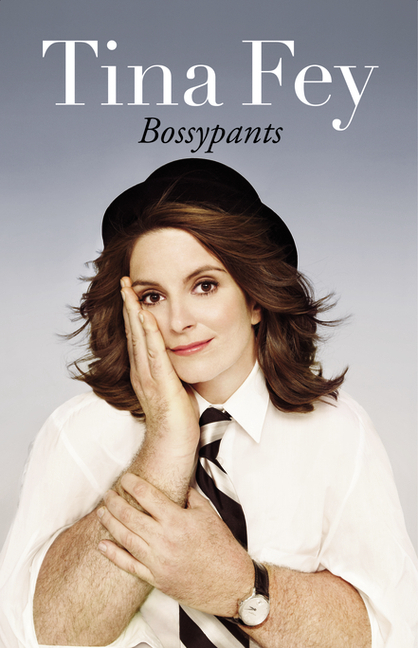
Now you shouldn’t be (and probably aren’t) expecting a serious and in-depth exploration of feminist issues from this book. What you should expect, though, is to laugh your ass off at how Tina highlights the ridiculousness of societal standards placed upon women. As a Women’s Studies minor, I’ve studied the scary, serious, and discouragingly strong components of patriarchy, and don’t get me wrong, I’m a better person for it. Bossypants, however, left me with a refreshingly new method to resist patriarchy: by simply laughing at it. Tina invites her readers to laugh at the absurdities of a society which demands that each woman have “the hips of a nine-year-old boy, the abs of a lesbian gym owner, [and] a Jamaican dance hall ass” (23). By putting a comedic spin on the seriousness of patriarchy, Tina Fey manages to dismantle the strength of the institution in a fresh and new way. While using humor as a tactic may not be the most activist-oriented method to fight for the feminist movement, it does make the influences of patriarchy seem a little less harsh. For Tina Fey, laughter really is the best medicine when it comes to dealing with the oppressive nature of societal norms.
Throughout the novel, the author opens up about everything from her experiences as a woman writing on SNL, to her first gynecological exam; both of which she makes equally sidesplitting. My personal favorite are her opinions on photoshop, about which she feels “the same way some people feel about abortion- it is [an] appalling and tragic reflection on our society…unless I need it, in which case, everybody be cool” (157). Bossypants is funny all the way through, but doesn’t lack meaning, however.
Alongside Tina Fey’s humor is a deep insight and appreciation for people who’ve influenced her both personally and professionally. The author also includes some keen and interesting opinions about the evolution of women in comedy, and what the future looks like for women in the industry. Whether you appreciate Tina Fey’s unique feminist insight or not, it’s undeniable that Bossypants is original, heartfelt, and of course, hilarious. Feminist or not, I’d recommend this book to anyone who likes to laugh. For me, however, it’s pretty refreshing to know that there is a strong, successful, and witty feminist in the public eye who continues to keep it real–and keep it funny.
 ShoutOut! James Madison University
I read Bossypants over the summer, often in public…which is a mistake because you look absolutely deranged laughing to yourself in the middle of a coffee shop.
I love the analysis you did of the book as a whole. Her humor helps bring feminist ideas into the mainstream, but because they’re laughing while listening to what she’s saying, most people tend to be more receptive to the ideas. Of course, some people still think she’s an “ugly, pear-shaped troll,” but you can’t win ’em all I suppose.
LikeLike