
“Not all men”.
It’s the phrase we’re met with all too often. Always when a woman brings up the wrongdoings of a man, never with the intent to actually discuss feminist issues. Rather, “not all men” is typically another way to say, “I would never do that” or “This conversation makes me feel uncomfortable”. This works not just to derail the conversation’s message, but to dismiss the lived experience of so many women.
“Not all men” is less about accuracy and more about deflection, attempting to shift the focus from addressing vital concerns to reassuring individuals that they’re “one of the good ones”.
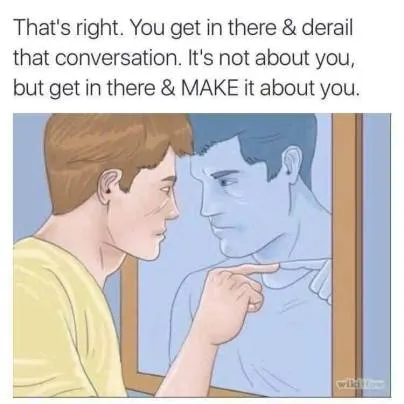
Of course, “not all men” rape, abuse, kill, or even catcall women.
But “not all men” isn’t referring to isolated actions, but rather the patriarchal system that ALL MEN were born into and socialized within. An entire lifetime of conditioning that normalizes male abuse, power, and misogyny- and excuses the men who engage in them- chains even the “good guy” to the patriarchy. It’s nearly impossible to fully detach from its grip.
So, what about the men who tell sexist jokes, but never directly to women?
What about the one’s who laugh along?
And what about the men who sit back and say nothing?
Not “all men” commit crimes against women. But so many actively and subconsciously contribute to misogynist ideals. Whether it’s interrupting a woman in a meeting, remaining friends with abusers, or dismissing women’s fear as an overreaction.
And yes, I acknowledge that there are some men that this doesn’t apply to. There’s men who would never make a sexist joke, who speak out for women, and who are feminists. But it doesn’t matter if he does everything right. If he’s a man existing in the patriarchy, he poses a hypothetical threat.
Even men who actively reject misogyny still exist in a system that has historically privileged and protected men over women. This is why it is “all men”. It’s “all men” who have the capacity to harm women, the potential to act out, and the ingrained belief that their feelings and lives reign most powerful, even if they wouldn’t outwardly acknowledge the fact. And women’s caution doesn’t stem from hatred; it stems from pattern recognition. Risk assessment is not misandry; it’s survival.
So when women are encouraged to soften their caution and lift up their guards because “not all men” are dangerous, they are asked to gamble with their safety and lives.
Should a woman trust the man walking beside her at night, just in case her apprehensiveness offends him?
Should we trust the man we’re alone in the elevator with, just in case he’s “one of the good ones”?
To plead “not all men” is not only dismissive; it’s an attempt to derail and shut down conversations that are vital to keeping women educated and aware. Prioritizing men’s comfort should never come at the expense of women being able to share experiences, recognize patterns, and discuss the serious realities we face.
The issue has never been about whether “all men” are dangerous. The issue is that women cannot afford to assume any man isn’t dangerous. Until women are able to feel safe around every man, we must assume we’re safe around none.
 ShoutOut! James Madison University