
On Monday, Sassysag and Chicandroaming shared local, national, and global news stories with the class, discussing personal anxieties, public health, and global safety concerns.

We explored Dr. Lindsey Harvell-Bowman’s research on flight anxiety, which focuses on death anxiety and terror management. Even though statistics show that flying is much safer than driving, many people still experience fear due to a lack of control. We discussed how this fear is deeply ingrained and that real-life examples supporting flight safety might help ease concerns. Some classmates suggested that providing more education about airline safety, such as how turbulence works or why pilots follow strict training and protocols, could help ease anxiety. Other ideas included mindfulness techniques, choosing specific seats for comfort, or learning about safety measures to feel more in control. We also touched on how 9/11 changed airport security, making air travel both safer and more stressful. TSA screenings are meant to protect passengers, but for some, they reinforce fears about flying. This led us to consider the fine line between security measures that provide safety and those that unintentionally increase anxiety.
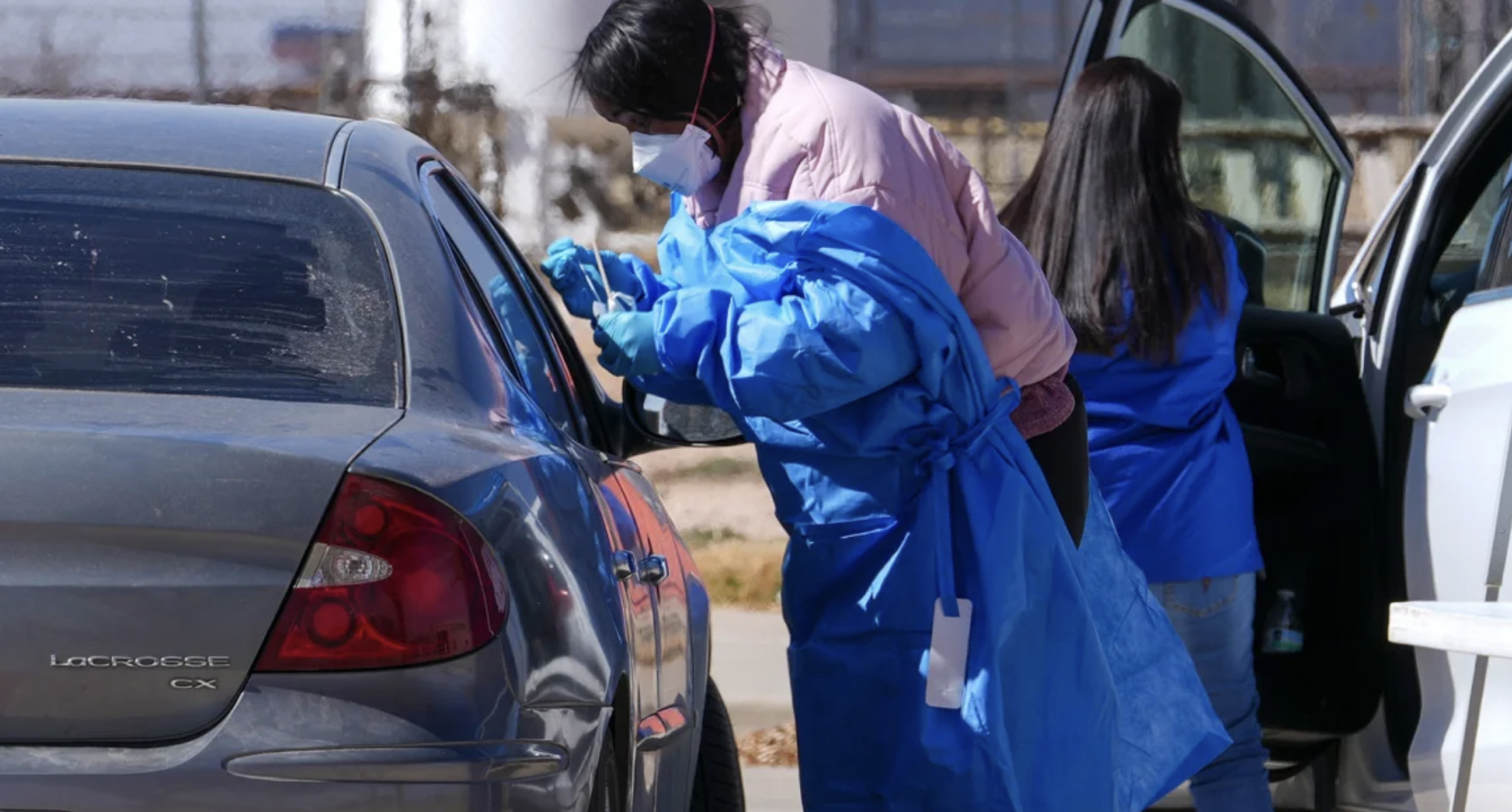
The recent measles outbreak in Texas, the first in over a decade, raised concerns about public health and vaccine hesitancy. If these cases continue to spread, the U.S. could lose its measles-free status, a major setback after years of disease prevention efforts. Our discussion focused on why some people are skeptical of vaccines. Many people avoid vaccines due to misinformation or fear of what’s inside them. One idea was that public health campaigns should provide clear explanations of vaccine ingredients and their role in preventing disease. This could help reassure people who are hesitant. Some classmates pointed out that after going through a three-year pandemic, it’s frustrating to see preventable diseases returning. We agreed that while people are tired of talking about illnesses, ignoring the issue won’t make it go away. Misinformation spreads quickly, so reliable sources need to make vaccine information more accessible and easy to understand.

Finally, we discussed a recent incident in Germany where a car was deliberately driven into a crowd, killing one person. This was especially alarming because two similar attacks had happened just weeks before. These events contribute to rising fears about public safety, making people more anxious about being in large gatherings. One key discussion point was the role of the media in shaping fear. Some argued that while the media isn’t responsible for creating fear, it delivers information that makes people more aware of potential dangers. Others pointed out that while it’s important to know about threats, constant exposure to violent news can make people feel unsafe in everyday situations. We also explored ways to improve public safety in crowded areas. Some suggestions included adding more barriers, increasing security cameras, and ensuring emergency response teams are nearby during large events. Another idea was for the media to balance coverage by highlighting successful public gatherings where nothing bad happened. This could help people feel safer and remind them that these tragedies, while terrible, are not the norm. Lastly, we talked about how holding criminals accountable and showing the consequences of these actions could discourage others from attempting similar attacks. If people see that these acts result in serious punishments, it might prevent future incidents.
Each of these stories, whether local, national, or global, showed the importance of staying informed, being prepared, and challenging fear with knowledge. Flight anxiety, vaccine hesitancy, and public safety concerns all stem from how we process information and respond to risks. By having open discussions like this one, we can learn from each other, correct misconceptions, and find ways to feel safer in an uncertain world. When we focus on facts, ask thoughtful questions, and push for solutions, we can approach these challenges with confidence rather than fear.
 ShoutOut! James Madison University