
Picture this: Kamala Harris—Vice President of the United States—sitting across from Call Her Daddy’s host, Alex Cooper. It’s not your usual political interview. There’s no flag in sight, no reporters asking questions, no stage, and no speeches about taxes and the border. Instead, it’s an open conversation, full of laughter and personal stories between these two influential women. But beneath the surface of this interview lies a deeper question: What does this crossover say about women in the media and political communication?
As podcasting has risen in popularity in recent years, the traditional political mold is breaking. Political figures have typically stuck to mainstream platforms like press briefings or TV interviews. However, transitioning these discussions to a podcasting platform has changed the game for any public figure, as they can express their opinions with lower stakes. We’ve seen this with Tucker Carlson and Megyn Kelly, who diverged from Fox News, entering the podcast medium to produce more unfiltered opinions for their audiences.
Harris’s appearance on Call Her Daddy follows this same pattern, but with a slight twist. As a woman in politics, she pushes the boundaries even further and challenges the idea of politicians only speaking in “professional” settings and to “professional” people. This podcast appearance allows her to connect more deeply with the younger generation. By sharing about relationships and personal experiences, Harris exudes transparency and relatability.
On the flip side, many are outraged about Harris’s appearance on Call Her Daddy due to the explicit reputation of the podcast. Some argue that it is unprofessional and discredits her reputation as a woman in politics. But when Trump made an appearance on the Nelk Boys’ podcast, a show known for its explicit frat-boy humor and problematic content, it was cool, right? These critiques of Harris, mainly coming from white cisgender men, reflect deeper issues of sexism and double standards in how women are always expected to conform to traditional notions of professionalism.
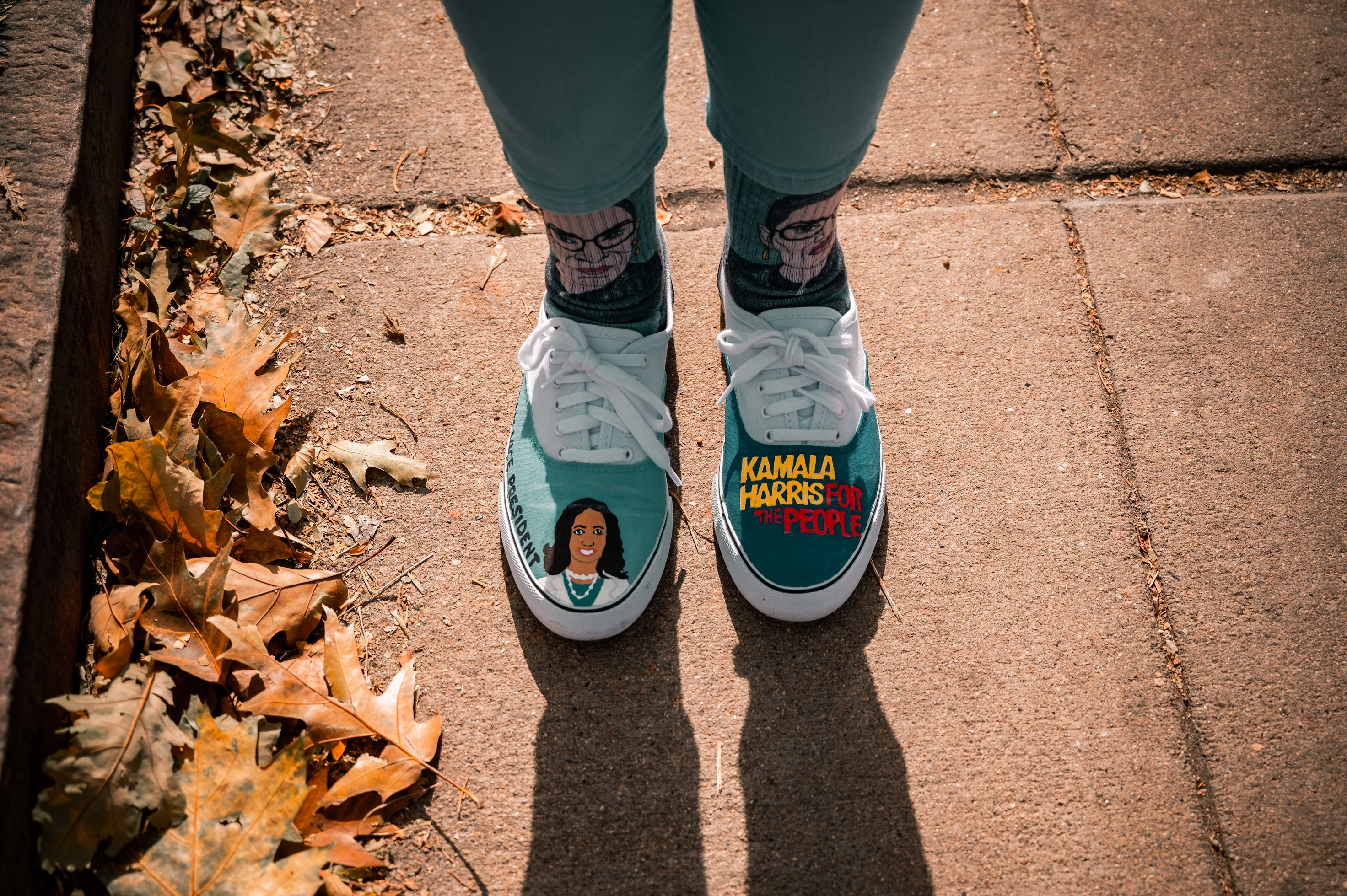
Another reason this podcast appearance is controversial is due to its timing. The category four hurricane, Helene, devastated six states last week and left the Southeastern region in ruins. Critics argue that while there is a national emergency, the Vice President should be focusing on more important matters, like relief efforts or addressing the public. Some believe that her debut on Call Her Daddy was tone-deaf and inappropriate amid this catastrophic event.
Through all of this uproar, it’s also important to remember that political leaders have a lot on their plates. Yes, dealing with a crisis is crucial, but connecting with different audiences matters too. By appearing on Call Her Daddy, Harris is attracting and relating to a younger crowd that might not otherwise be involved in politics. She’s attempting to build a relationship with the next generation of voters, especially in this exciting election season. The timing might feel a little off, but I believe she can handle both—talking about relatable topics in the media while also managing serious situations.
Ultimately, Harris’s podcast debut on Call Her Daddy is a good reminder that even the highest-ranking officials can drop the formalities and just be real while speaking to the American audience.
 ShoutOut! James Madison University