
I am certain many of us have heard of the term “dumb blonde” at one point or another in our lives. Our society often forms biases centered around appearance. More often than not, women are characterized based on the color of their hair. For example, in the movie “Legally Blonde” the character, Elle Woods, is depicted as a so called “dumb blonde” who prioritized shopping, pampering and boys. Her counter-part, “Vivian”, had brunette hair and was seen wearing conservative clothing, always studying and overall more intelligent than Elle. This is a classic representation of the stereotypes between blonde and brunette women.
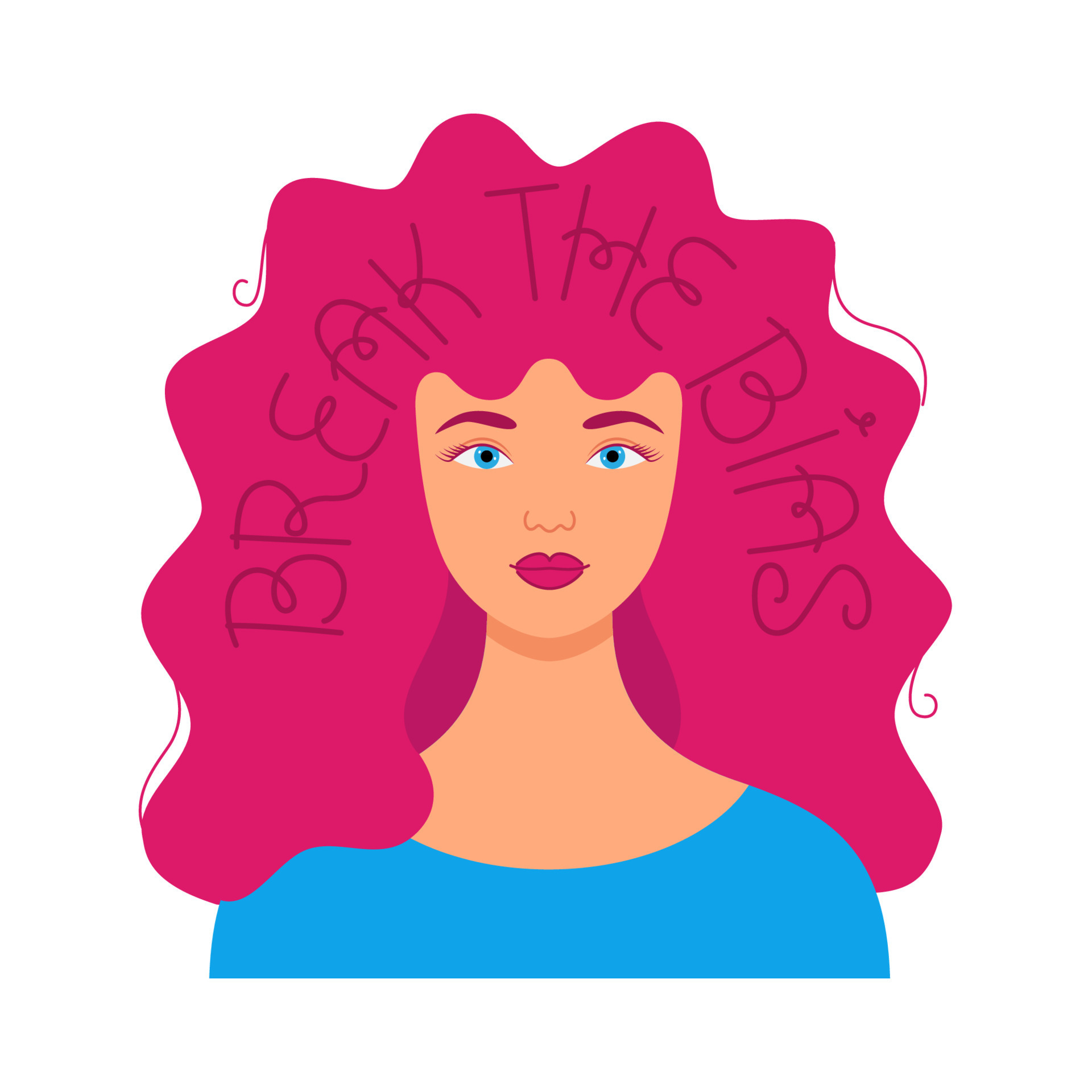
“Being a Southern person and a blonde, it’s not a good combination. Immediately, when people meet you, they think of you as not being smart.” ― Reese Witherspoon
EverydayPower
Historical roots behind the “roots”
The fixation on blonde hair within society has a long history, tracing back thousands of years to ancient civilizations like Greece and Rome. In artistic representations, gods and goddesses were frequently depicted with golden locks, fostering a cultural aspiration for blonde hair and the associated societal status. This historical context has contributed to the contemporary phenomenon where blonde hair, due to its historical link with the pursuit of male attention, becomes highly sexualized in media portrayals. Blondes and brunettes contend with persistent stereotypes. Blondes may confront assumptions of having lower intelligence which often is linked towards misogynistic ideas. Conversely, brunettes may unfairly carry expectations of seriousness, intelligence, sophistication, and reliability. It’s vital to stress that these stereotypes simplify people, and one’s character cannot be accurately judged by hair color. Actively challenging these preconceptions promotes inclusivity, acknowledging the diverse qualities within each person, irrespective of their chosen hair shade.
Think about it; almost every “highly sexualized” character in cinema is blonde! Margot Robbie in “The Wolf of Wall Street” is portrayed as a gold digger, and is known for her “big blowouts with her husband and her uncaged sexuality.” Furthermore, establishes the stereotype of blonde women being over-sexualized and attention-seeking.

Blonde humor remains a vestige of the antiquated sexism prevalent in the era typified by Bernard Manning. It represents the enduring challenge women have faced in combating such attitudes. Within the context of Sigmund Freud’s theories, a joke transcends mere humor and often serves as a covert vehicle for expressing opinions without assuming direct responsibility. In instances of gender- and race-based humor, the laughter accompanying such remarks frequently conceals a straightforward insult, lacking genuine amusement.
In my discussions with male acquaintances, a recurring theme emerged: a preference for blondes, playfully labeling the shift towards brunettes in later years as a humorous “graduation.” Their viewpoint reveals a prevailing stereotype associating blondes with immediate attractiveness and brunettes with a more profound, enduring beauty. Interestingly, they openly admit to a tendency to sexualize blondes more than brunettes. This acknowledgment hints at the impact of societal perceptions on personal preferences and highlights the complexity of the interplay between cultural stereotypes and individual attraction. Such insights underline the need for a broader conversation about breaking down these stereotypes to foster more genuine and inclusive connections.
 ShoutOut! James Madison University