
The institution of marriage has long been considered a cornerstone of American society, but in recent years, there has been a notable shift. According to the U.S. Census Bureau, in 2021, the U.S. marriage rate hit a new low, with only 14.9 marriages per 1,000 women, down from 16.3 a decade earlier. Furthermore, the divorce rate saw a decline from 9.7 divorces per 1,000 women in 2011 to 6.9 in 2021. Research from recent years has found many factors contributing to this marital decline and the benefits of waiting longer to marry.
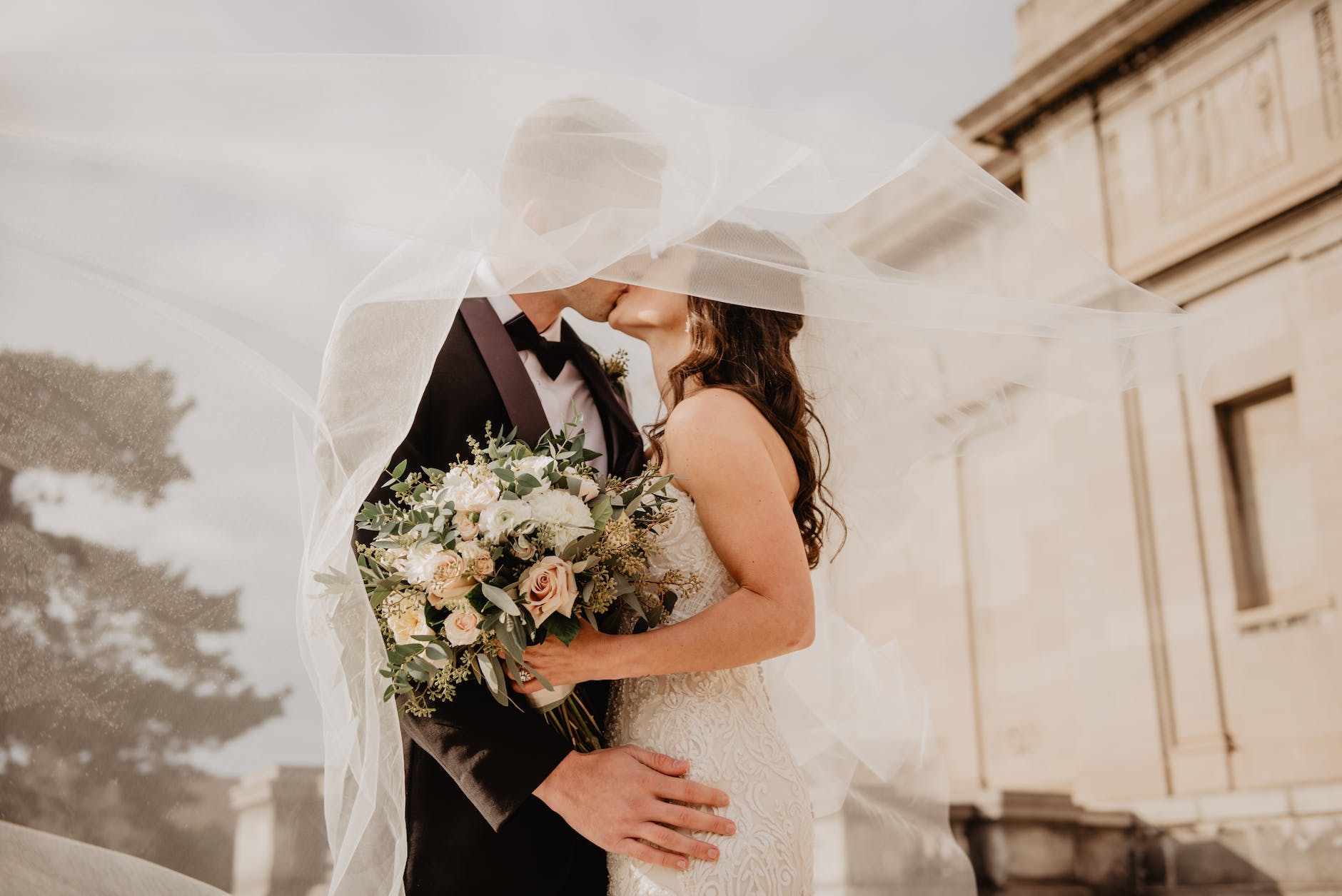
Factors Contributing to the Decline in Marriage
The declining marriage rate in the United States is a phenomenon that has been steadily occurring over the past few decades. There are a wide variety of factors which contribute to the declining marriage rate in America, including economic stability, a change in societal norms, and the priority set on education and career goals. As stated by Brad Wilcox, the director of the National Marriage Project at the University of Virginia said that the changing economic landscape plays a substantial role in shaping our decisions regarding marriage. Rising financial insecurity and the ever-increasing cost of weddings often discourage couples from tying the knot, while the burden of student loan debt can further deter individuals from taking the leap into matrimony.
Simultaneously, societal norms surrounding relationships and family structures have evolved over time, with the rise of cohabitation becoming increasingly common and altering our perceptions of “traditional” marriage. Furthermore, individual priorities have shifted, with many individuals now focusing on their careers and education, resulting in a delay in the decision to marry. This shift reflects the changing landscape of personal growth and development.
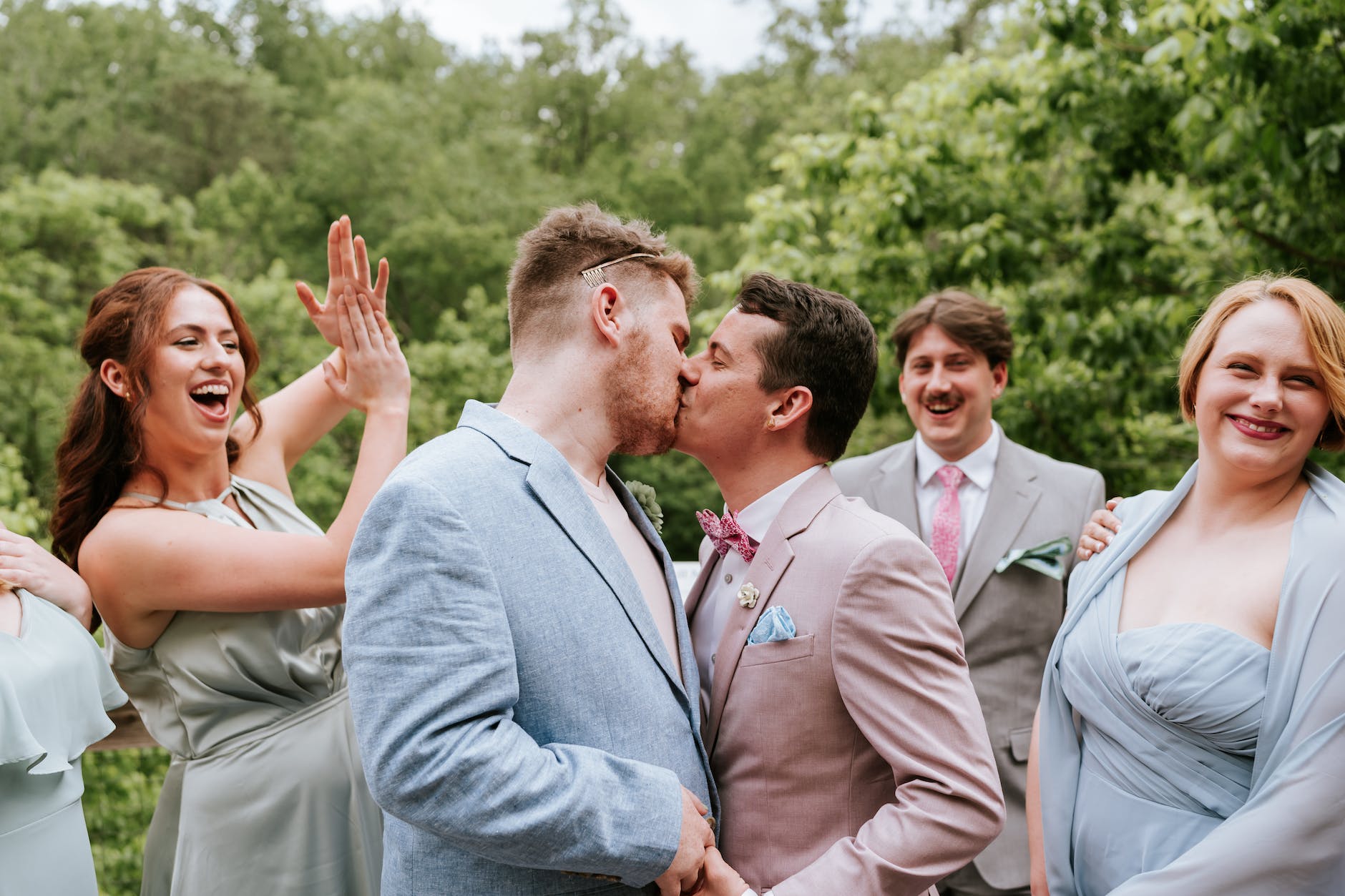
Benefits of Waiting for Marriage
As the rate of marriage has declined in America, many young people have discovered the benefits of staying unmarried until later in life including financial stability, better-decision making, and improved relationship quality. First, one of the primary benefits of waiting for marriage is achieving financial stability. Delaying marriage allows individuals to focus on their careers and build a solid financial foundation. This financial security can contribute to a more stable and comfortable life for both partners, reducing financial stress and potential conflicts in the future.
Next, with more life experiences and maturity, people are better equipped to make informed and thoughtful decisions about their life partners. Waiting until later in life to marry can help individuals gain a clearer understanding of their own needs, values, and preferences, which can lead to more compatible and fulfilling relationships. Furthermore, research suggests that couples who marry later in life tend to have more stable and satisfying relationships. This is because they have had time to develop their own identities, personal growth, and independence. Waiting can lead to a deeper appreciation of one another, as couples often have a stronger sense of self and are better at managing conflicts.
Conclusion
In conclusion, the declining marriage rate in America reflects a shifting societal landscape, influenced by economic, cultural, and individual factors. As we get further into the 21st century, people are reevaluating the timing and importance of marriage in their lives. While the declining marriage rate may raise concerns, it’s essential to acknowledge that the decision of when to marry is a personal one, and that there are substantial benefits to waiting until later in life for marriage.
The advantages of delayed marriage are plentiful, with financial stability, better decision-making, and improved relationship quality all playing crucial roles in this societal switch. By waiting to marry, individuals have the chance to build a strong foundation, both financially and personally, before tying the lifelong knot with their partner. It allows for the development of a deeper understanding of oneself and one’s desires, resulting in more fulfilling and stable relationships.
Ultimately, the evolving landscape of marriage and personal choices calls for a reevaluation of societal expectations and the recognition that there is no one-size-fits-all approach to marriage. The declining marriage rate may be indicative of change, but it also opens the door to more informed, independent, and fulfilling relationships for those who decide to wait.
 ShoutOut! James Madison University
The declining marriage rate may signal a shift, but the benefits of waiting, such as financial stability, better decision-making, and improved relationship quality, highlight the positive aspects of this change! Ultimately, the decision of when to marry is deeply personal, and recognizing the diverse paths people take contributes to a more informed, independent, and fulfilling approach to relationships. Your insightful exploration encourages a thoughtful reevaluation of societal expectations!
LikeLike
I really enjoyed this blog post. I think it is very important to discuss the notable shifts in the institution of marriage. I had no idea that the US marriage rate has hit an all time low. It is very shocking to me that this shift impacted individuals, economics, and cultures. I think that marriage is a very personal decision and there is no right or wrong way to do things. Thank you for sharing!
LikeLike
I appreciate your investigation into marriage rates and some of the factors that have contributed to its decline. T. Personally, I do have mixed feelings about marriage and the way it has been constructed within our society. While I do agree that it is personal and can be a way to show a union and celebrate love, aside from a lot of heteropatriarchal religious roots, there are a lot of government incentives to get married. It’s interesting how married couples are often heralded and prioritized and how we have all these beliefs about being married and staying married, although there has been a shifting view of this as divorce rates continue to rise and people realize they do not have to stay stuck in unhappy relationships. But to touch upon the aforementioned incentives, financial reasons such as a plethora of tax benefits. The government places these incentives in the hopes people will feel that marriage is a more financially feasible option but the hope with marriage traditionally has been that heterosexual cisgender couples will have children and further contribute to our labor force. I really appreciate how there is a shifting landscape within how we view marriage, who gets to be married, why people get married, why people don’t get married and how that’s ok, but there is still much to explore with the origins of marriage so thank you for your insight into the choice of marriage and why people are holding off!
LikeLike