
In the United States, we have witnessed an increase in women’s participation in politics. From heads of state to local representatives, women are breaking through the glass ceiling. Women’s representation in politics is not merely a matter of gender balance; it is a testament to the power of diversity and representation. Rebecca Leppert and Drew DeSilver report that currently there are 153 women out of 540 members of Congress, marking a 59% increase from the 96 women who served in the 112th Congress a decade ago. However, this number still falls short, compared to the overall U.S. population. While we may be seeing an increase in representation, there is an urgent need for policies that support and encourage women to hold these positions of power.
The Power of Representation
Representation in politics is not just about numbers, it is about voices, perspectives, and experiences. When women hold positions in government, they are able to advocate for issues that are otherwise overlooked or misunderstood in male-dominated spaces. These issues can range from gender equality and reproductive rights, to paid family leave and healthcare access. When women’s voices are included in the decision-making process, policies are more inclusive and reflective of the diverse needs of our country.
“When we see people like ourselves in positions of leadership, it signals that someone who shares our history and worldview is making decisions that reflect our interests and values,” says Bernadette Austin.

The Importance of Policy Changes
To address these challenges and encourage more women to participate in politics, policy changes are imperative.
These changes could include:
Gender Quotas
Some countries have implemented gender quotas that require a certain percentage of candidates to be women, these have increased women’s representation significantly.
Joshua Dubrow and Adrianna Zabrzewska state that quotas place more women in positions of power, which ultimately leads to changes in parliament and parties, new legislation that benefits women, and a transformation of society overall.
Campaign Finance Reform
Leveling the playing field through equal access to campaign funding and resources can reduce financial barriers for women.
The Ascend Fund examines political fundraising as a barrier to equity and says, “Women candidates have long struggled to reach large individual donors and access PAC funding. Structural reforms such as campaign finance reform could level the playing field, as well as cultural changes that alter donor and PAC behavior and encourage the funding of women and people of color.”
Anti-Harassment Measures
Legislation and policies must be put in place to combat and prevent gender-based harassment in politics.
Princeton University and the Anti-Defamation League found that women public officials experienced a higher rate of targeting, accounting for 42.5% of incidents. Furthermore, when considering the proportion of women in local offices, women are 3.4 times more likely than men to be subjected to threats and harassment.
Support and Mentorship
Establishing more accessible mentorship programs and support networks can help women navigate the intricacies of entering the political sphere.
Liz Dimmock says studies have shown that 87% of mentors and mentees feel empowered by their mentoring relationships and have developed greater confidence.
Providing support and fostering connections can lead to a significant improvement in the representation of women.
Education and Awareness
Promoting gender equality education and awareness programs can challenge stereotypes and biases that hinder women’s political progress.
Amartya Sen reminds us of a quote by H.G. Wells, where he says, “Human history becomes more and more a race between education and catastrophe.” Sen adds, “If we continue to leave vast sections of the people of the world outside the orbit of education, we make the world not only less just, but also less secure.”
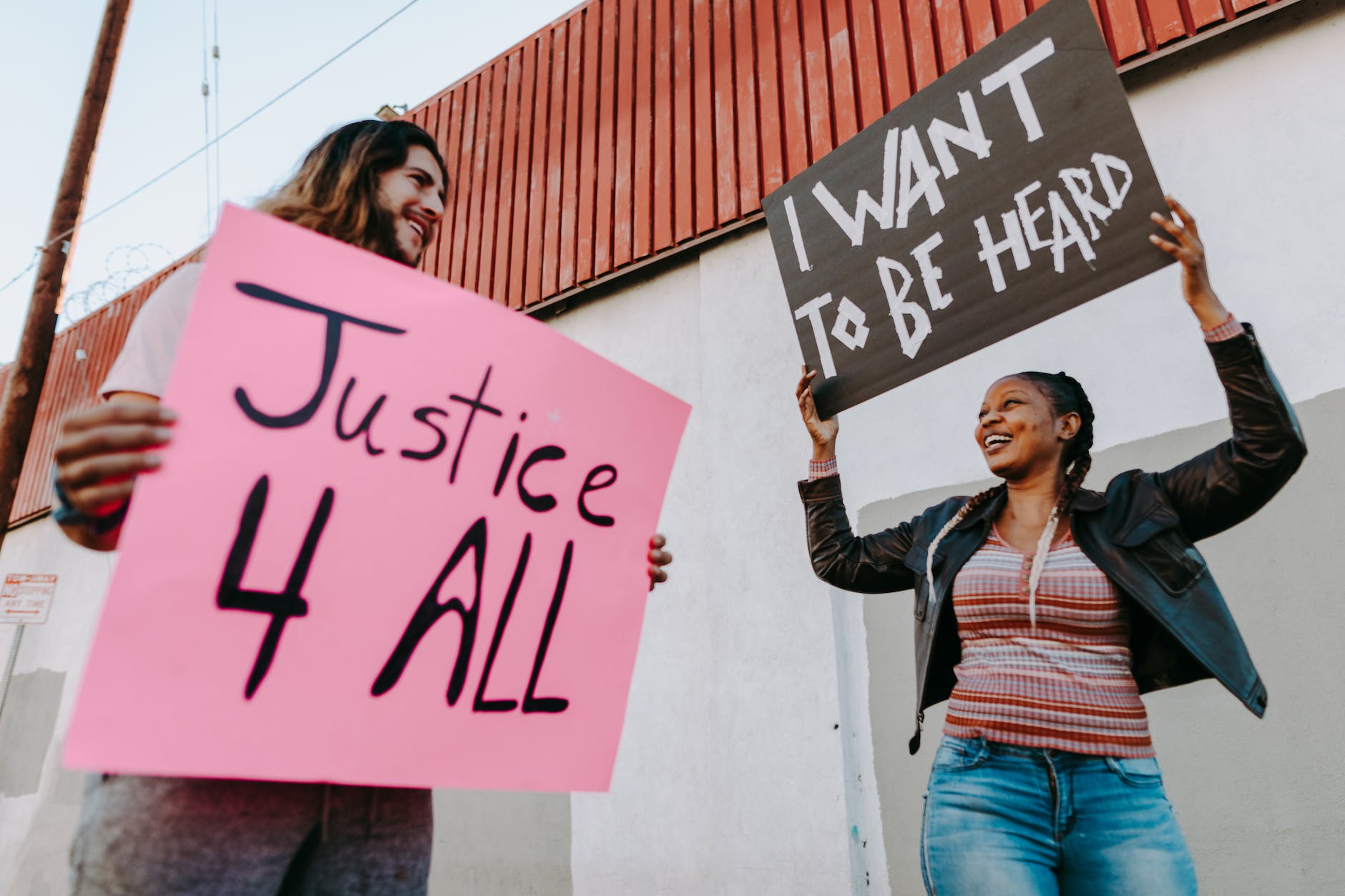
We can no longer ignore the fact that women’s participation in politics is not just a matter of choice, but a necessity. The impact of women in politics is profound, and their presence in government leads to more equitable, inclusive, and representative policies. To encourage more women to enter the political arena, we must dismantle barriers to create an environment where women can thrive as political leaders. It is crucial that we continue to push for policies that promote women’s involvement in politics and challenge the stereotypes and biases that have kept women out of these spaces.
Representation matters, and when women are equally represented in government, it is a victory for all.
 ShoutOut! James Madison University