
One thing that is taught to us when we enter high school, and college is “be careful with what you post on social media.” when this is said, they are referring to pictures of partying, drinking, the clothing you choose to wear, and even politics. The whole stance that people will take when advising something like this is that your future employer might see it. I know a lot of women who are mindful of their social media accounts, but I don’t know of many men who are monitoring what they are posting.
This is an enormous double standard to me. Being in a sorority, they advise us to remove all photos of us drinking, holding something that could possibly look like alcohol, smoking, and even how risqué our pictures are. Although I see the benefits in this, and I do follow the rules, why aren’t men held to that same standard?
I can not tell you how many times I have been scrolling on Instagram and have seen a group of guys all holding beers and red solo cups while being underage, and they are never criticized or questioned about it. As soon as a girl goes and does the same thing, she will get absolutely ridiculed for it. This goes beyond jobs being able to see those photos in general; it is more about jobs seeing those photos of women.
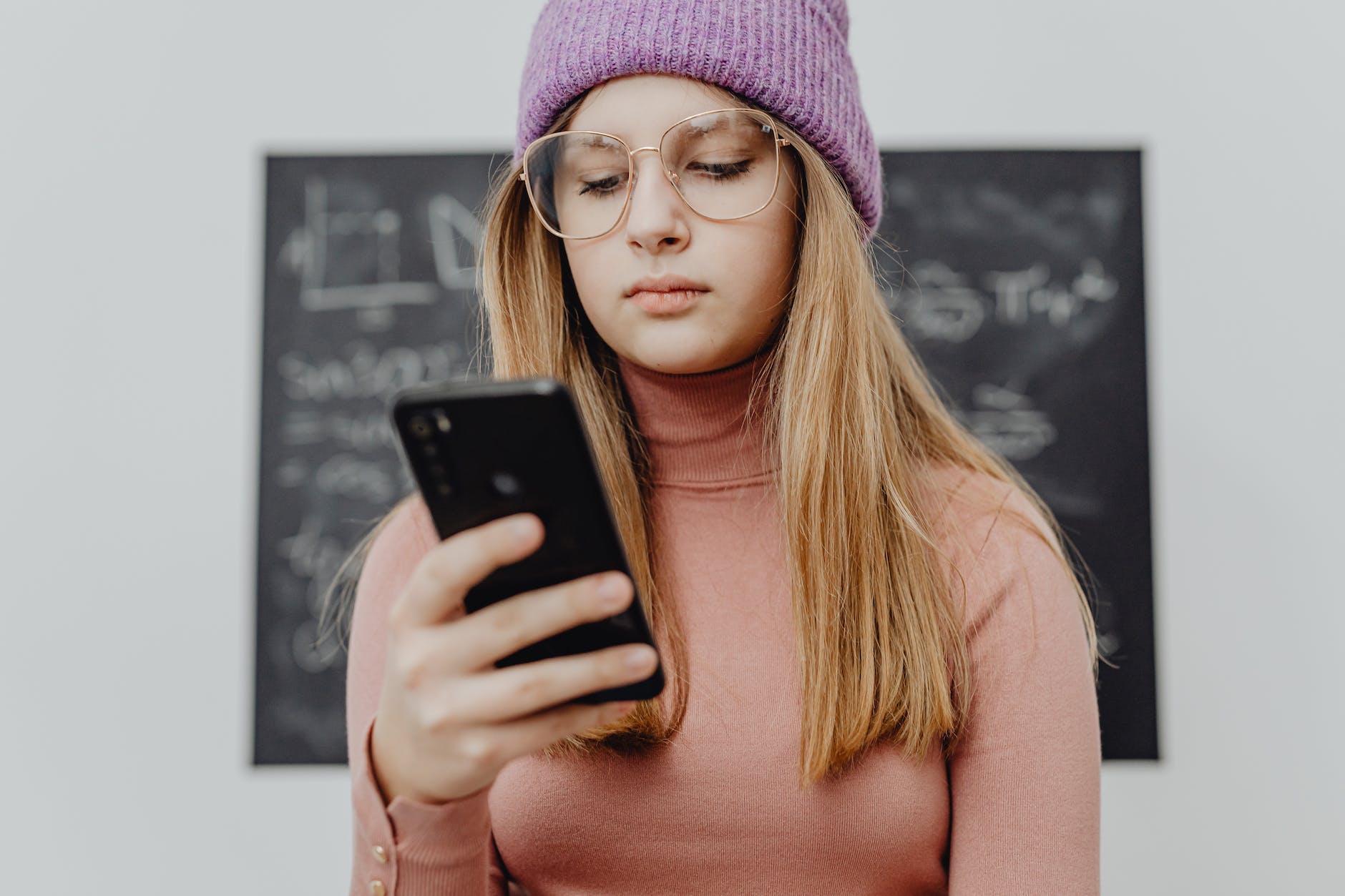
Something as innocent as being in a bikini at the beach and posting it could take up an issue, while men posting a shirtless picture is not seen as a problem. This stigma has been instilled in us from a very young age. One of the biggest things I can relate to on this subject is school dress codes. Women always had to be more covered than men; when they were not, it was a problem that usually resulted in getting sent to the principal’s office. I can recall multiple girls getting sent to the office for dress code violations, but no boys. One of the main rules was no shoulders showing, yet boys would show up to school in cut-off shirts, again facing no repercussions.
The stereotype of girls being unable to post certain things on social media because of what people may think is just disgusting. This topic is not talked about enough. Like many other things, attention has not been put on this subject, but this is a part of the injustice that women are facing every day.
Women spend more time on social media, and some of that time is most likely spent on looking at the women that we aspire to be. We look at what they wear, how they pose in their pictures, and their body types. Take Alix Earle, for example; she is a beautiful girl who has taken social media by storm. Many girls look up to her. Although she posts about fashion and makeup, she also posts about going clubbing and drinking. She has already received so much backlash for living her life in that way. Articles, comments, and news sites have called her a bad role model and other disrespectful words. Yet other influencers like Jake and Logan Paul would go clubbing, and they were seen as elite cool men.
if women want to post content on social media that they are proud of and helps express themselves, I do not see a problem with that. Women deserve the right to do what they want without the fear of judgment from anyone.
 ShoutOut! James Madison University
I completely agree with your observations regarding the glaring double standards that persist in our society, especially when it comes to social media and the expectations placed on women. The advice to be cautious about our online presence is certainly valid, but it should apply to everyone regardless of gender. It’s disheartening to see that women are unfairly scrutinized and criticized for perfectly normal activities, like enjoying a night out with friends or sharing beach photos in swimwear. The inequality extends beyond social media into various aspects of life, from school dress codes to public perception. It’s crucial that we challenge these stereotypes and work towards a more equitable world where women can express themselves freely without the fear of judgment.
LikeLike
I’ve definitely seen this play out on the social media accounts of my friends here at JMU. Most of my friends who identify as women post more cutesy pictures, while my friends who identify as men post pictures at parties, playing drinking games, smoking, etc. It’s almost like guys are more accepted to act out and do outlandish things, while girls have to be perfectly nice in-person and online. I feel like JMU’s culture also plays a role, especially since we’re in the “friendly” city.
LikeLike
I loved this post, i connected to it personally as a college female. Using Alix Earle is such a great example. I completely agree that the double standard is insane. I hope this post and conversations like this are brought up more often, because as a society we hold judgement in popular opinions. I am so tired of “monitoring” what we should post!
LikeLike
I really enjoyed this perspective! I agree that women are always told to be careful about what they post but men seem to post more in a careless way. I never thought of this perspective so thank you for bringing it up. I agree that women should be able to post what they want to express themselves. Thank you for sharing!
LikeLike
The double standard of what content men and women can post on social media is incredible. A man’s post without a shirt is acceptable, but a woman in a swimsuit is immediately sexualized. I hope that somehow that stigma that has been instilled in women from a very young age changes, but I am unfortunately not optimistic. Your perspective from a sorority is interesting as well, in comparison to fraternities. That double standard is once again strongly evident
LikeLike
Thank you for sharing this! I think it is so important to address this double standard on social media. The fear of judgement should not have to live in the minds of women when they are posting on social media. I hope our society can take strides in alleviating this issue.
LikeLike
I appreciate your investigation here of these preconceived notions that society holds about women and how women are often expected to uphold these and then be criticized either way for what they choose. It’s interesting how we often expect women to be role models and set somewhat ‘pure’ examples for their following or maintain an image of innocence. We commonly see this trend with women and femme Disney Stars, who after their child or teenage fame, attempt to move into more mature roles and are then criticized for being a bad example. There was immense controversy when Bella Thorne had posted her nudes because an someone else threatened to leak them and when she made an OnlyFans (which for this case I’ll only refer to it’s creation because this move did have unfortunate ramifications for sex workers who primarily used OnlyFans as a source of income). Despite the fact that women and femme identities are allowed to grow up, they are allowed to take on different acting roles or present themselves in a way that doesn’t adhere to the same standards that a children’s network show held for them. Furthermore, there seems to always be a pull between the infantilization and the sexualization of women. Both are projected onto femme bodies and thus these identities will constantly be criticized regardless, despite the aforementioned extreme case, it can be understood that women are oftentimes held to this higher unachievable standard especially when posting on social media.
LikeLike