
A movement to defund the police has gained traction across the country over the past few years due to a number of terrible events in which rogue police officers used unacceptable methods to detain individuals suspected of criminal activity. I want to discuss what defunding the police would look like and whether it would have a positive or a negative impact on the community affected. Since there are police departments that have already been defunded, we are able to evaluate data collected from those communities to understand what might happen if this trend continues across the country. There seems to be a correlation between decreasing budgets for law enforcement departments and lower morale among officers, which leads them to quit and results in fewer officers policing the community. Before making a decision to support defunding the police, you need to determine if you are capable of protecting yourself and your family. Because if there are not sufficient law enforcement officers to police your community, who will provide safety and security for the people and property in your community? Most people are not able to protect themselves as we have seen the rise in crime rates in cities that have drastically cut their budgets for policing. Baltimore eliminated roughly $22 million from its police budget, Portland cut nearly $16 million, and Philadelphia cut $33 million from its police budget. “With a crime rate of 46 per one thousand residents, Baltimore has one of the highest crime rates in America compared to all communities of all sizes – from the smallest towns to the very largest cities. One’s chance of becoming a victim of either violent or property crime here is one in 22.” Yes, there are unethical police officers who commit horrible atrocities, but the answer to this problem is not to take money away. the answer is to use funding for police departments in a proper and responsible manner, which can mean reallocating it to the most prominent threats in a community based on its specific problems. Another significant problem with defunding the police is the lack of training that results from not having sufficient funding. Most communities do not train officers adequately enough for the impossible tasks they face on a daily basis. Providing funding to law enforcement departments creates better policing, which in turn leads to more wholesome communities.
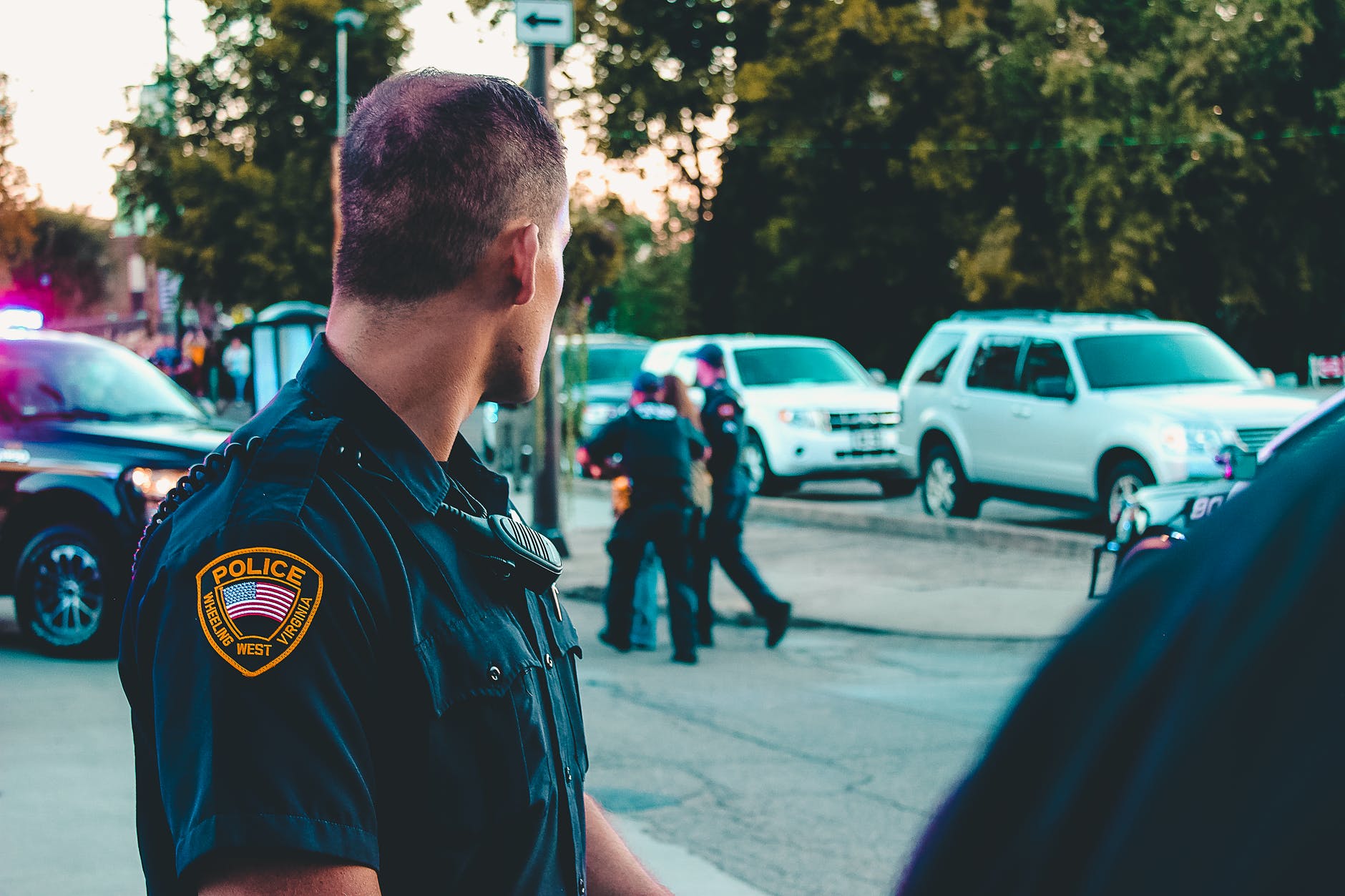
I would also like to look at how defunding the police would affect women and the feminist community. “Research indicates that women are at increased risk for victimization when their income is below the poverty level, conversely victimization increases women’s likelihood of unemployment and reduced income.” We know that lower-income and marginalized groups are predominantly affected by defunding the police, yet they are made to believe it will be the solution to their problems. I reviewed the 2022 year-end crime statistics report for a heavily defunded police department in Philadelphia, which is a predominantly impoverished community. This shows the real solution to help prevent violent crimes isn’t less policing, but better policing.
Homicide– 504
Rape- 593
Robbery/gun- 2910
Robbery/other- 2807
Aggravated assault gun- 3523
Aggravated assault/other- 4890
Then, I also looked at Austin, Texas, which still has very low-income areas but doesn’t have a defunded police department. For its 2022 report, crime was down by nearly 1,000 cases or 5% and murders were down by 6%. This is just one example of how a more experienced, more well-trained, and better-qualified police department means a safer community and better overall protection from violent crimes.
 ShoutOut! James Madison University