
This post was edited on October 18 by FemmeInAction
As I weave through the toy aisles, my eyes dart from item to item. My mom intercepts and points me to the pink aisle. As I head down it I find myself staring at kitchens, baby dolls, princesses, and makeup. I pick my new baby doll: now I will learn to care for a baby, as a baby.
We head down the next aisle, a much darker aisle, with cars, guns, and building materials. My brother picks a new car, one that is loud, one that he can race down a track. One that seems much more fun to me. One that is nothing like any of my toys.
Why aren’t my toys that fun? Why doesn’t my brother have any toys like mine? Why are the toy aisles gendered? They are just toys.
It begins so early.
I always had the stereotypical “girl” toys as a child. The toys that emphasize beauty and nurturing. As a young girl, I was practicing my role in womanhood.

With my toys, I could prepare to be a mother. A mother that cares for her babies. A mother that stays home in the kitchen. A mother who puts on makeup to make sure she looks good enough. A mother who has a body like a Barbie doll.
What if I wanted to race cars? What if I wanted to build houses?
Why do I have to be a mother? What if I don’t want kids? What if I don’t want to cook? What if I don’t want to wear makeup?
It doesn’t matter, that is what women do.
That is what baby girls do. That is what young girls do. That is what teenage girls do. That is what young women do.
That is womanhood.
Society places these expectations on little girls from the day they are born. Our womanhood will look a specific way. A way that will include makeup, children, and body standards. A way that we do not get to choose as children. A way that is considered, ladylike.
A patriarchal issue. An issue that divides humans from the beginning of their life. An issue that tells kids who they will be, not what they can be.
This begins in childhood, but it doesn’t end in childhood.
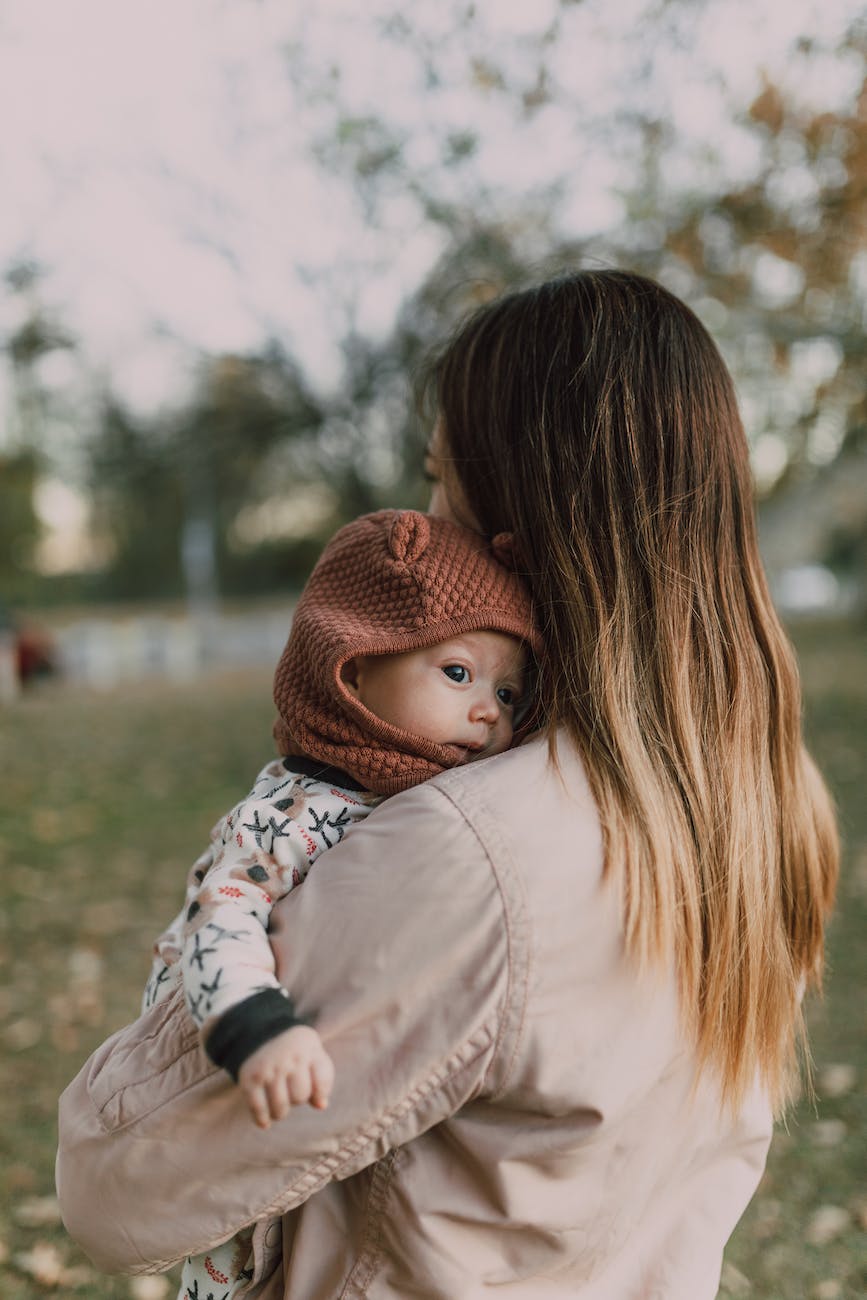
These roles continue.
We no longer have toys, which have prepared us for a lifetime of caring for others, that is womanhood. The toys are now our reality, it is time to grow up. It is time to use our practice in real life. Now we can cook in our real kitchens. Now we can care for our real children. Now we can put our real makeup on. Now we have to grow up, for real.
Toys are introduced at such a young age, they have the ability to help children find their passions and become tools for empowerment.
Dr. Perri Klass says, “Children are actively seeking clues about what their gender identities mean; toys and play should give them space, not narrow their choices.”
Toys can foster an imagination that helps children grow.
Toys don’t have to be a damaging force. A force that limits children’s creative potential in their pursuit of becoming whoever they dream of being.
Rosemarie Truglio states, “Kids play what they see. If you can see it, you can play it — then one day you can be it.”
Let’s allow kids to be who they want to be. Let’s stop forcing gender roles onto children. Let’s encourage children to be whatever they want.
Let’s let children be children.
 ShoutOut! James Madison University