
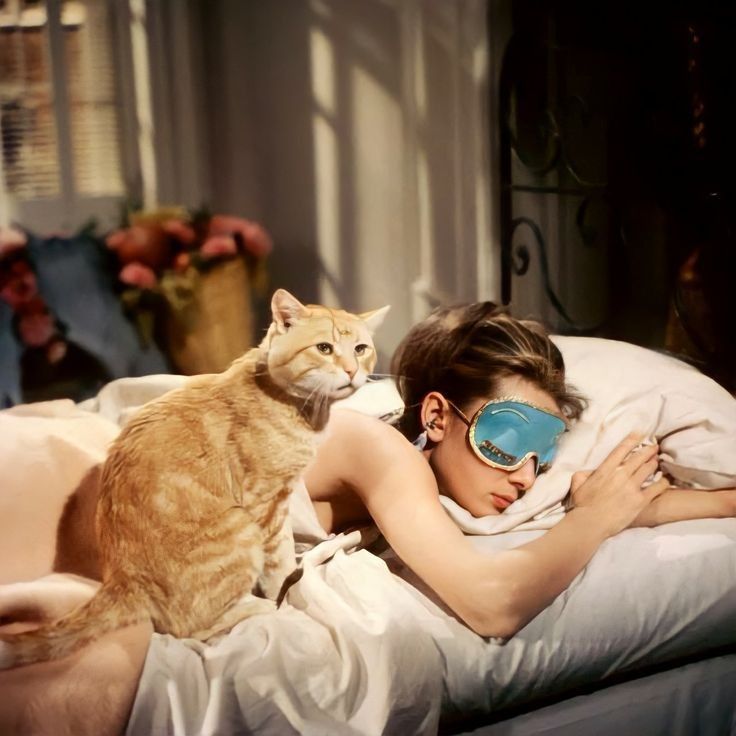
The phrase “crazy cat lady” is usually delivered with a smirk. It sounds harmless, even playful. It paints a familiar image: a lonely, unstable woman surrounded by cats instead of people. But the stereotype is not really about pets. It is about power, independence, and what happens when a woman chooses not to center her life around a man.
From a feminist standpoint, the “crazy cat lady” is a cultural warning disguised as a joke. For generations, women have been expected to follow a specific life script. Get married. Have children. Be nurturing. Keep the house in order. Support your husband. Even today, the “ideal woman” is often imagined as a wife and mother first, and an individual second. When a woman chooses something different, she is not simply seen as making a lifestyle choice. She is labeled.
The stereotype of the “crazy cat lady” developed as a way to frame single, child-free women as lacking. Instead of seeing them as fulfilled, ambitious, or content on their own, society often paints them as bitter, lonely, or emotionally unstable. The message beneath the humor is clear: if you did not choose marriage and motherhood, something must be wrong with you.
What makes this label especially telling is that there is no true male equivalent. A single man living alone is often described as independent, focused, or even desirable. He is a bachelor. He is building his career. He is enjoying his freedom. A woman in a similar position is far more likely to be questioned. Why is she alone? Why does she not have children? Is she unhappy? The difference reveals how masculinity and patriarchy shape the way we interpret independence.
Masculinity has historically been associated with ambition, autonomy, and emotional distance. Femininity, on the other hand, has been tied to caregiving, emotional labor, and self-sacrifice. When a woman embraces independence in the same way men are praised for doing, she disrupts those gender expectations. Rather than expanding the definition of womanhood, society often responds by shrinking her through ridicule.
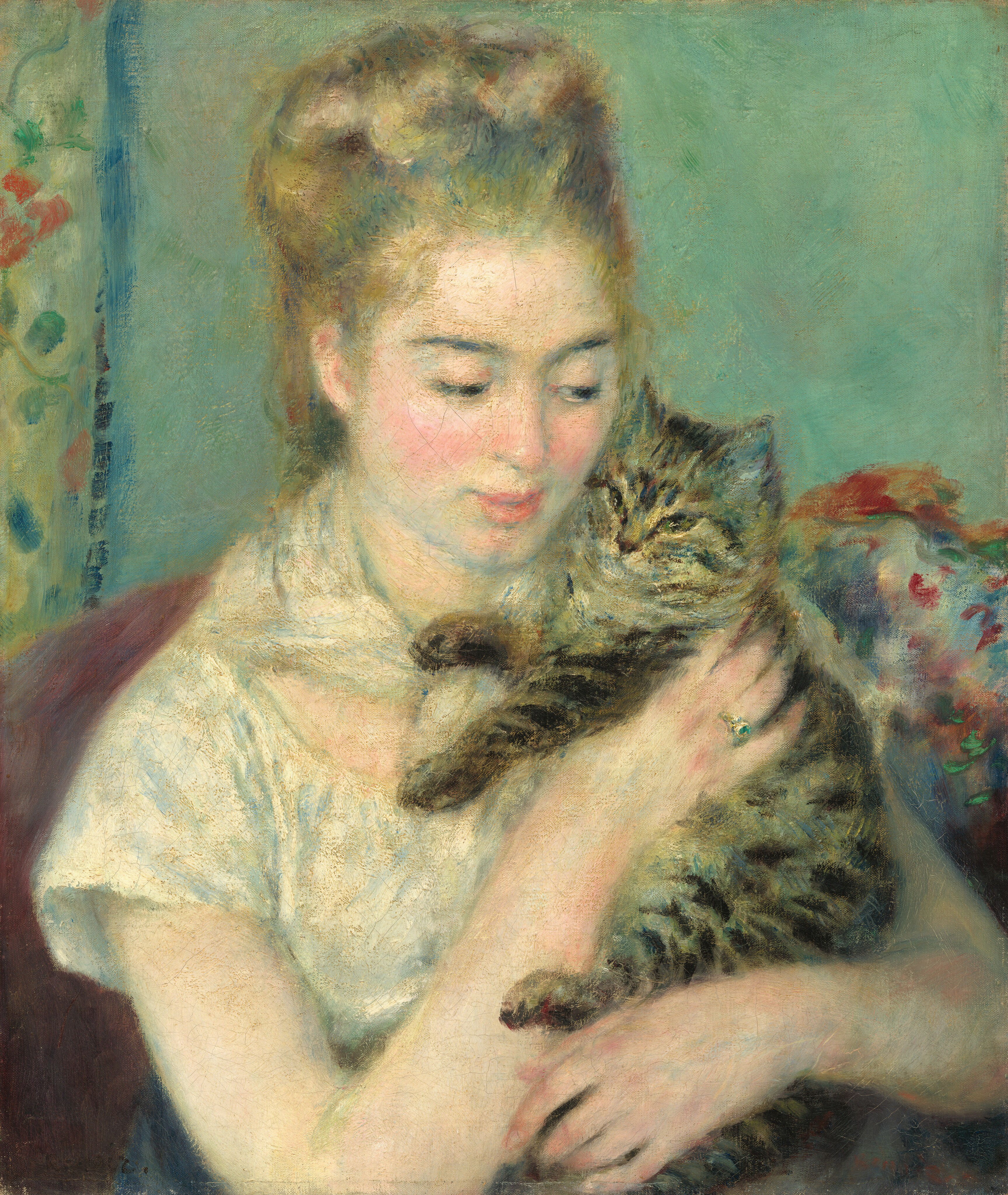
Even public figures are not immune to this framing. When politicians have mocked Taylor Swift as a “lonely” or “crazy cat lady,” the criticism was never really about her pets. Swift is globally influential, financially powerful, unmarried, and child-free. She owns her work, her voice, and her political opinions. Labeling her a “cat lady” becomes a way to reduce her accomplishments to what she supposedly lacks. The implication is that no matter how successful she becomes, she is still incomplete because she does not fit into a traditional domestic mold.
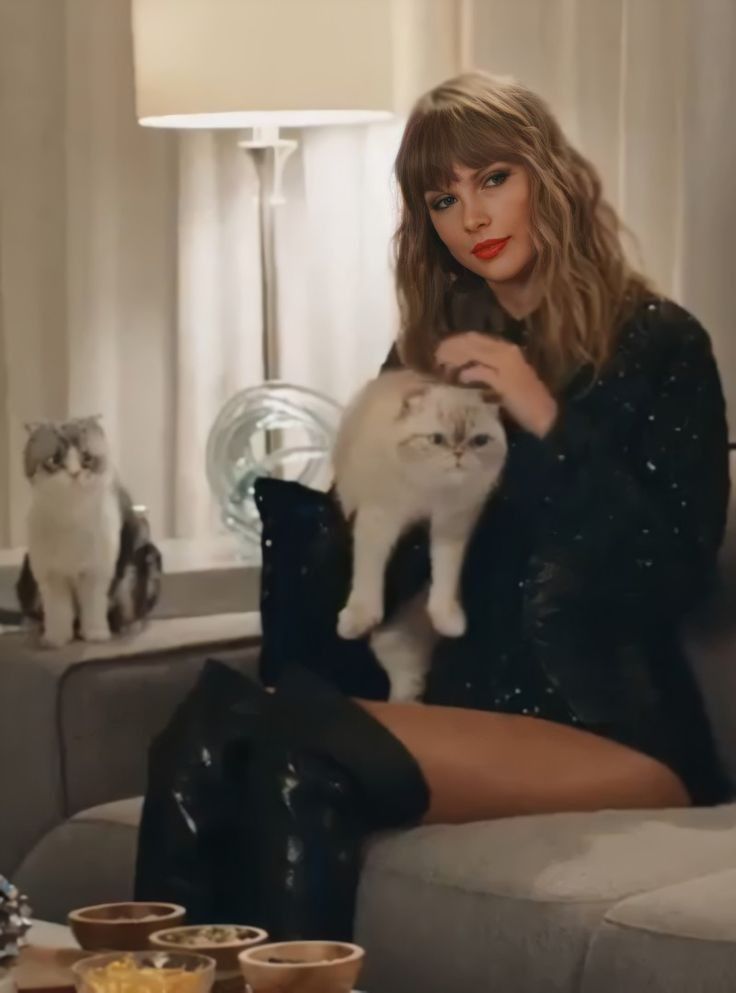
This is where the insult reveals its deeper meaning. The negativity attached to the “crazy cat lady” stereotype reflects a discomfort with women who do not rely on men for identity or validation. If women can build full, meaningful lives without marriage or motherhood, then the traditional hierarchy that positions men as necessary providers of purpose begins to weaken. That shift challenges long-standing ideas about masculinity and control.
From a feminist perspective, the “crazy cat lady” can be reimagined entirely. She may not be lonely. She may be peaceful. She may not be unstable. She may simply have structured her life around what brings her joy. The stereotype only feels threatening because it disrupts expectations about what a woman is supposed to look like and who she is supposed to serve.
At its core, the insult is not about cats at all. It is about conformity. It reflects a lingering belief that a woman’s worth is tied to marriage, motherhood, and domestic labor. When that belief is challenged, humor becomes a tool to discipline women back into place.
But maybe the real question is not why a woman has cats. Maybe the real question is why a woman’s independence still needs to be explained at all.
 ShoutOut! James Madison University