
Throughout history we have been exposed to the multitude of ways that women and advocates of feminism have committed themselves to protesting to further advance equality. But radical movements for equality and liberation have often been swept under the rug or have had their value negated. But we must ask ourselves why we’re so quick to undermine radical movements, why they start, and what they mean for future progress.

One member of the movement, Youngmi has offered insight that has helped to better illuminate the 4B movement, what it’s doing, and its impacts. The movement has four pillars which all start with “bi-” which means “no.”. There is bihon, bichulsan, biyeona, and bisekseu, which is the no heterosexual marriage, no childbirth, no dating, and no heterosexual sexual relationships. Women who are a part of this movement have cut out almost all men from their life, and have had previous experiences that have been tainted by patriarchal norms of their society. Thus, they have turned to this movement as a form of activism and as a lifestyle.
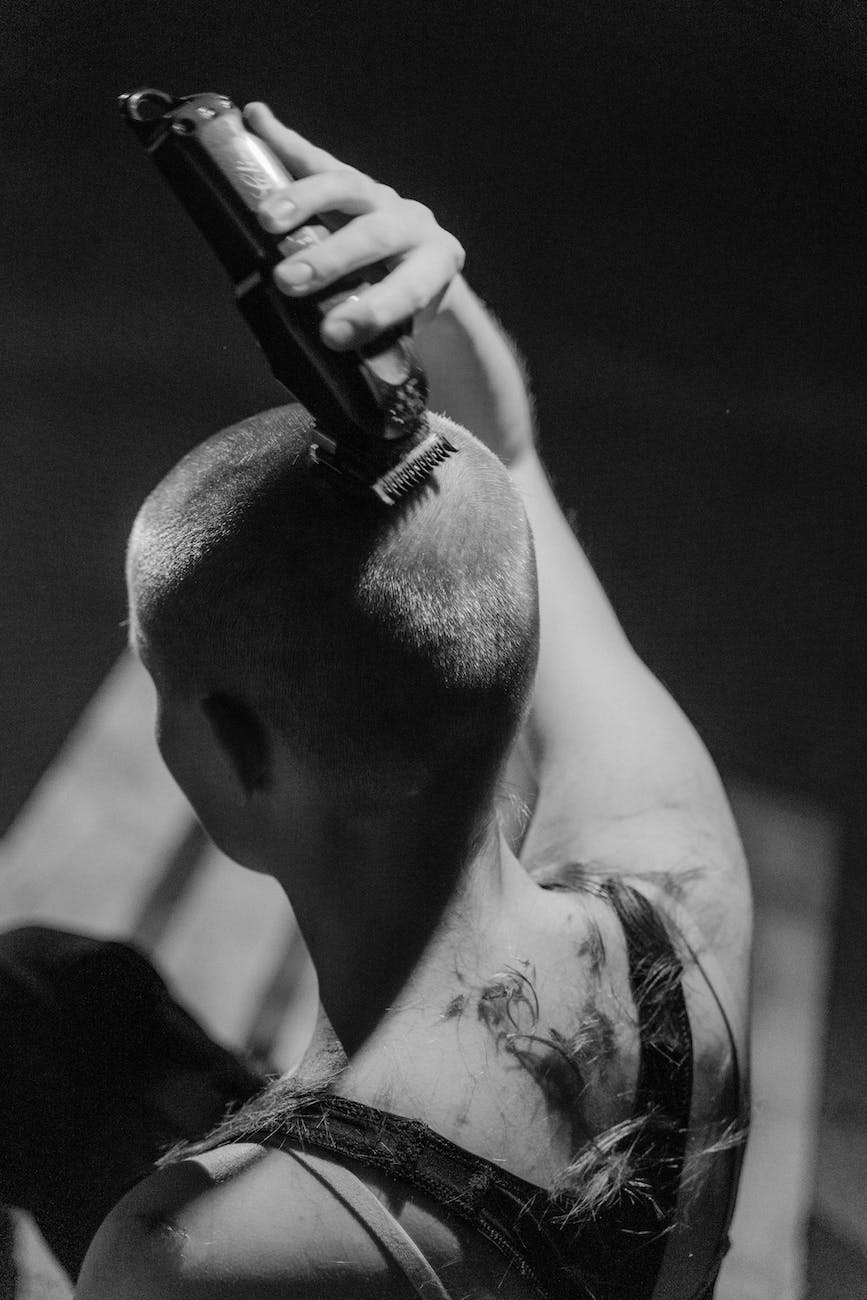
Women have shaved their heads and rejected the pressures of patriarchy that expect women to present themselves as feminine and beautiful. When hiring discrimination and stereotypes about women staying home to be mothers impact the professional and personal lives of women, it’s difficult to not expect them to push back against these dominant narratives. The movement believes that Korea, its culture, and its men, are unsaveable. That to avoid the dangers and risks of men is to completely avoid them and not give birth to more.
While everyone may not agree with abstaining from dating, sex, marriage, childbirth, etc., it is vital to consider what it means that such radical action is being taken. The President Yoon Suk Yeol of South Korea and his administration has decided to abolish the Ministry of Gender Equality and Family and sexual violence crimes in the country continue to plague the lives of women. The aforementioned ministry that is being abolished conducted a survey in 2016 which revealed that intimate-partner violence was 11.5% higher than the global average of 30%, resulting in a 41.5% incidence rate. A grotesque number to contend with, but one that better highlights the reality and risks that women face in South Korea.

Although the movement has no set recorded number of participants, with guesses between a couple thousand and tens of thousands of people, the country has seen a rapid decline in birth and fertility rates. Despite the governments push for fertility by allocating resources to programs intended to increase fertility rates, there has not been a noticeable increase. Countries rely on future populations to make up their work force, support the elderly, and also become apart of the military. Such a decrease holds potential dire impacts to the economy and South Korea as a whole.
Because what does it truly mean to be radical? Is the denial and stripping of rights not a radical that is so often taken against precarious populations? Is it not an inherently violent act to attempt to deny people of their equality? Playing by the rules of the game, following the status quo, adhering to the moral code of oppressors is not the avenue that every person will choose to take. Now change does not always stem from radical pursuits, but it can. I’m not saying that every single radical endeavor should not be critically examined or at times condemned (as radical action can absolutely be taken against vulnerable populations by their oppressors). But just because we are uncomfortable with other avenues that people take to instill change, that may not be similar to our own, does not mean that it isn’t worthwhile or a valid means of protests.
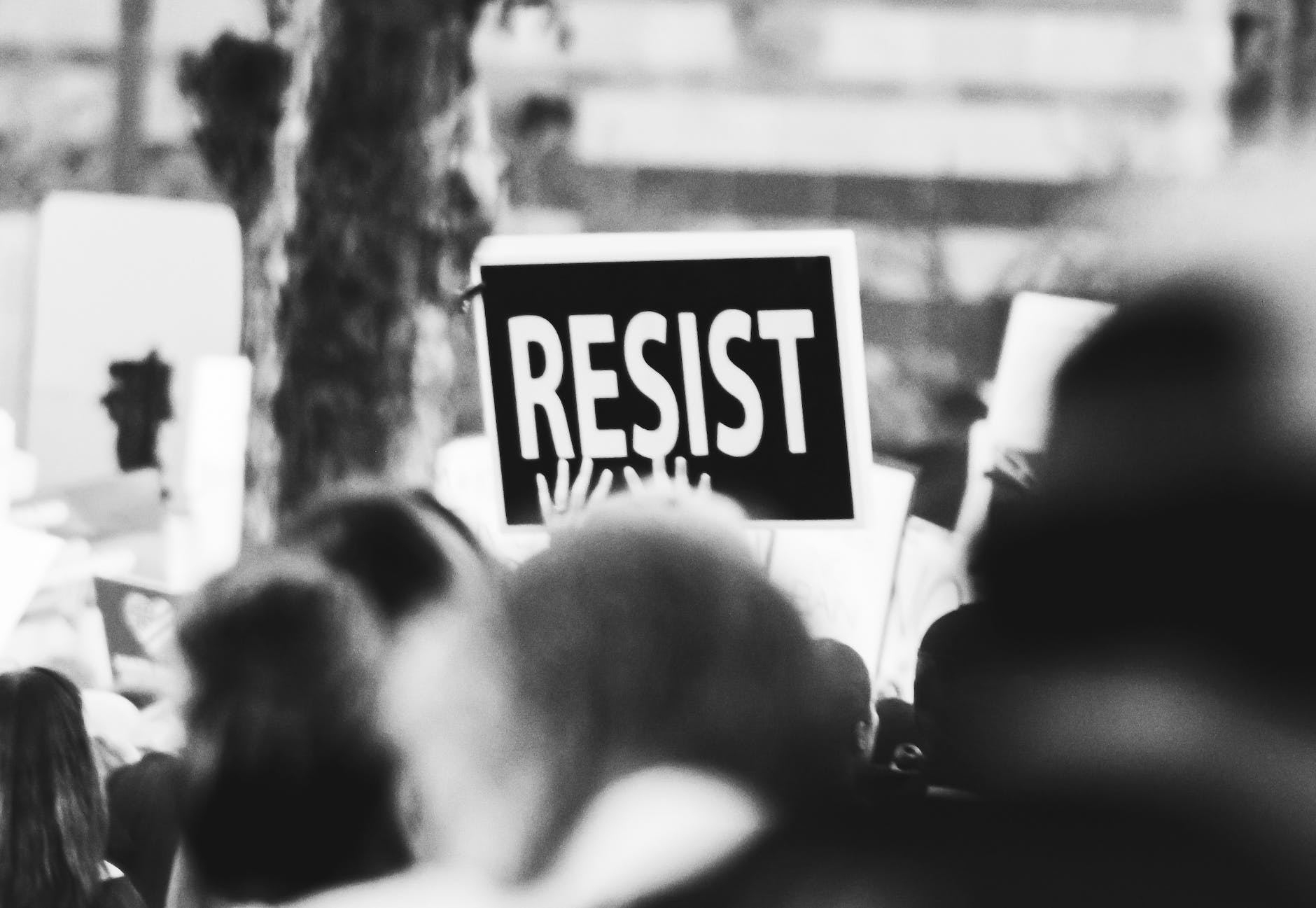
We must move beyond the common negative connotation that attaches itself to the word “radical,” because then we narrow its scope and radical will look different for everyone. Radicalism can be co-opted for both positive and negative use. Because at the end of the day radical change will not come without radical action.
 ShoutOut! James Madison University