Robin Wall Kimmerer grew up in upstate New York where she spent much of her time outside. Her connection to nature was brought close to her by her ancestral ties to the indigenous Potawatomi heritage. She finds true beauty in nature and the Potawatomi teachings guide her own teachings and the way that she chooses to view the world.
I am currently reading Robin Wall Kimmerer’s Braiding Sweetgrass and woah. This book is completely full of a different kind of consciousness. It is so beautiful to see the ways that Robin Wall Kimmerer sees the world. The narratives that her heritage has valued are so so different from the narratives that were given to me when I was growing up.
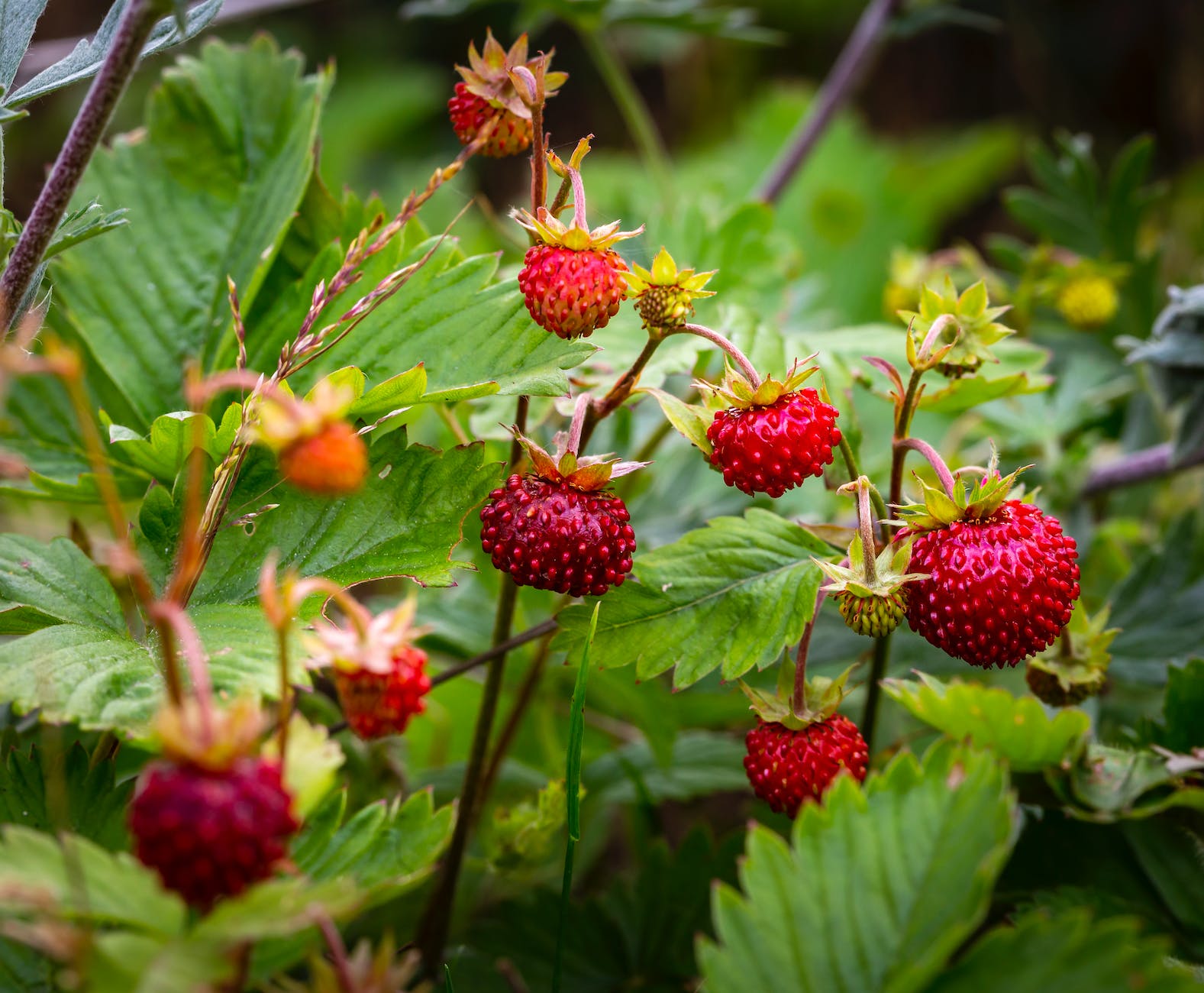
She describes the way that she was taught to see gifts. She illustrates the delight of finding strawberries in the summer when she was a child; the way that she would be running in dew covered fields to stumble upon the gift of strawberries. She was taught that moments like these are intentional acts of nature.
” I could hand you a braid of sweetgrass, as thick and shining as the plait that hung down my grandmother’s back. But it is not mine to give, nor yours to take. Wiingaashk belongs to herself. So I offer in its place, a braid of stories meant to heal our relationship to the world. “
Robin Wall Kimmerer
I get a great sense of appreciation and kindness for nature from the Potawatomi teachings. Robin Wall Kimmerer continually describes the connectedness of all things and the way that seemingly little things in nature all play a huge part. This thinking says a lot about the way that in comparison the western culture thinks about nature and the value it brings.
In the western culture we see the world through capitalism, whether we choose to acknowledge that or not. Nature, spirituality and human are all separate. And because there is a separation between these, we easily justify exploiting nature’s gifts. Alternatively, in Robin Wall Kimmerer’s heritage, nature is spirit and human. Nature’s gifts are not exploited in this way because they are one. Humans see the gifts of nature and give appreciation and respect to nature in return. In capitalism, the hegemonic norm is turning a gift of nature into a profit. The pressures of being in the labor class force us to think about all material things as their financial worth. Innately we miss the wealth that the gift offers by just existing. The trees smile through the gifts of flowers and nuts.
Learning more about this ‘oneness’ of nature and self has made me reflect on the most important memories in my life, the memories when I have experienced the most life through growth. I can say that it was not reaching my academic goals, getting my first job or doing things that in western culture we believe to make us successful. The most important memories to me are the ones where I have spent many weeks over the years at summer camp and the few weeks I have spent in Hawai’i. During these trips I have spent the most time in nature and close community.
I have loved what I have learned from Robin Wall Kimmerer’s, Braiding Sweetgrass, but it has been challenging to read because there are changes and shifts that Robin Wall Kimmerer makes apparent to me. She has so much to offer in Indigenous Wisdom and ecological teachings. She now lives with her own family in Syracuse, New York, is a SUNY Distinguished Teaching Professor of Environmental Biology, and the founder and director of the Center for Native Peoples and the Environment.
The next time you are at the library I hope you check out Braiding Sweetgrass or even review Robin Wall Kimmerer’s teachings online:


 ShoutOut! James Madison University