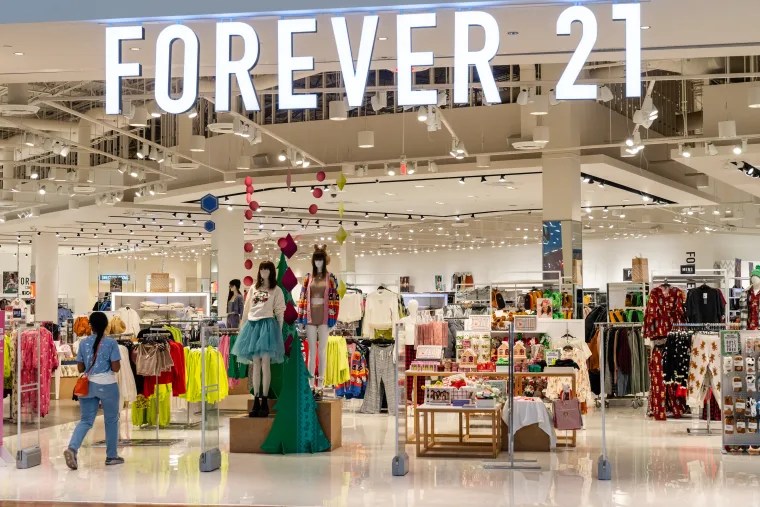
Fast fashion coined its name as a business model and current trend on social media through its fast rate of design and production. These designs aim to replicate clothing and other items that are viewed as trendy. Fast fashion is widely available, and its underlying objective is to promote and sell large quantities of “on-trend” attire at a cheap price. While this model allows for a large consumer audience to participate in owning what are seen as the latest styles of clothing and accessories, it is also responsible for the exploitation of their own labor force. (Which predominantly consists of women)
The Root of Modern Consumerism in a Social Media Context
I find myself every now and again scrolling through endless “haul” videos on TikTok. These are posts in which influencers and creators show off a mass of items that they purchased in a short period of time. What jumped out at me while watching these short one to three-minute TikTok videos is that consumerist culture is being reinforced. Both luxury and fast fashion brands pay influencers to promote their products but there is a major difference between these two industries. Luxury and many mainstream brands brands value quality and prioritize sustainable and ethical practices while fast fashion labels seem to only value rapid production.
So, to break down fast fashion even further, its key components consist of:
Trend replication
Rapid production of cheap garments
Quick response systems
Extremely discounted pricing
Tying Concepts Together
With how popular micro trends have become in our current society due to social media marketing on platforms such as TikTok, we are being exposed to the mindless consumption of the cheap and disposable items that make up fast fashion. These products are both affordable and easy to come by, making them appealing to consumers. With all of these components, individuals tend to lose sight of some of the bigger issues at hand, specifically the human cost of fast fashion.
Why is Fast Fashion a Feminist Issue?
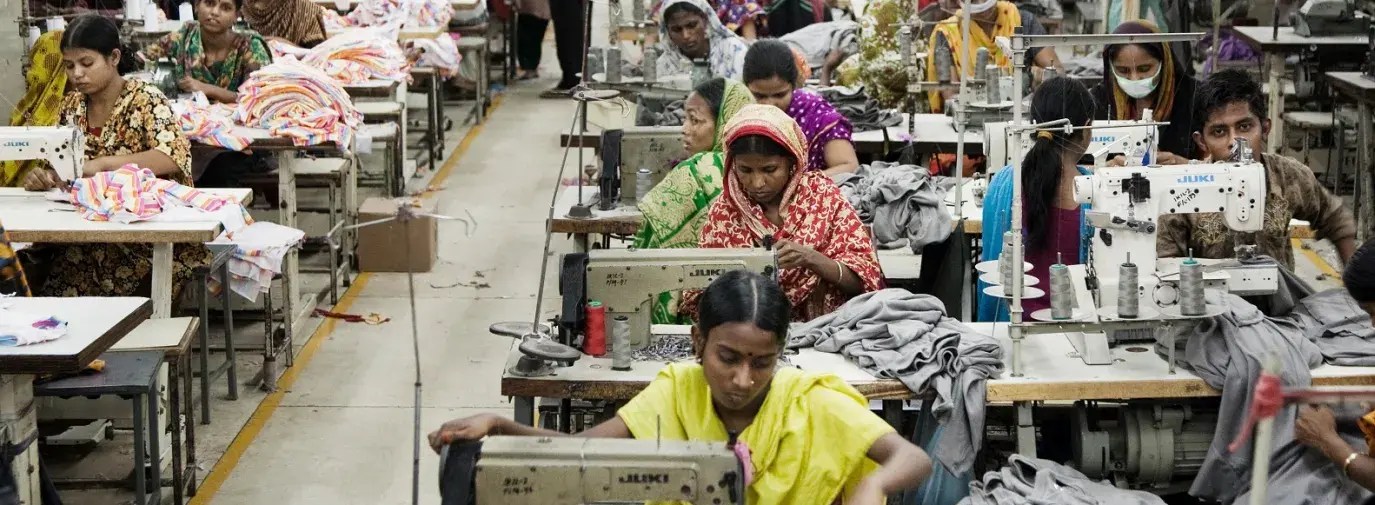
Picture by: Asher Weinstein
“Approximately 80% of workers in the garment industry are women”-Fashinnovation NYC
Fast fashion industries are intentionally seeking female employees and paying them only a small fraction of what they should be earning, creating a cycle of poverty, in which these women are not able to properly invest in things such as their education, families, other jobs and day to day tasks.
In terms of outsourcing production, many companies turn to countries such as Bangladesh and China because rights as basic as receiving at least a minimum wage and having work security are not upheld in textile factories. Women who face this are also unlikely to question or fight against the insufficient payment they receive because working in the textile industry is one of the only flexible options available to them in terms of needing time off of work to attend to their family’s basic needs.
Women in textile industries such as these also face verbal and physical abuse, without the opportunity to confront the abuse because they often do not have the time and platform to do so. In this industry, it is clear that physical safety is not put above profit. This contributes to the disempowerment of women, forcing them to become dependent on a job that offers so little back to them. The exploitation of underpaid workers needs to be addressed by not only consumers but also by the industry and individual brands themselves.
What needs to happen?
Fast fashion brands need to take accountability and be transparent about their supply chains and practices. The fashion industry as a whole, needs to direct its focus from consumerism and profit toward ethics and sustainable practices that will have a lasting positive effect.
We as individuals can practice minimalism and use social media platforms to promote sustainable brands, as well as to call out those who have unethical practices.
This was an interesting perspective on fast-fashion, and I had not considered it to be a feminist issue before this post, so thanks for offering this information. Do you feel like it’s hard to stay away from fast-fashion as a college student?
I feel like it is definitely difficult for many college students to stay away from fast fashion because of how affordable it is. I know my freshman year especially I was on a tight budget, juggling paying for school and food while feeling pressured to stay on trend clothing-wise. While a $4 top sounds enticing, especially if it reflects what is trendy today, knowing the ethical and environmental issues that are created by this industry, I would urge that people look for more sustainable options. I for one have changed my shopping habits in the way that I look for more sustainable and higher quality staple pieces that will go with more than one pair of pants. These pieces, although more expensive than $4, will last me a lot longer and will consolidate my wardrobe.
I really enjoyed this perspective on fast-fashion! I didn’t realize that these companies were seeking female employees, and I think it is awful that they are paying them poorly. I agree that fast-fashion brands must take accountability, but the consumers must also take responsibility to create real change. Thank you for sharing!
I completely agree, thank you! I for one have worked to change my habits to become more conscious of the impacts of fast fashion and continue to promote brands that are sustainably and ethically better alternatives.


 ShoutOut! James Madison University
This was an interesting perspective on fast-fashion, and I had not considered it to be a feminist issue before this post, so thanks for offering this information. Do you feel like it’s hard to stay away from fast-fashion as a college student?
LikeLike
I feel like it is definitely difficult for many college students to stay away from fast fashion because of how affordable it is. I know my freshman year especially I was on a tight budget, juggling paying for school and food while feeling pressured to stay on trend clothing-wise. While a $4 top sounds enticing, especially if it reflects what is trendy today, knowing the ethical and environmental issues that are created by this industry, I would urge that people look for more sustainable options. I for one have changed my shopping habits in the way that I look for more sustainable and higher quality staple pieces that will go with more than one pair of pants. These pieces, although more expensive than $4, will last me a lot longer and will consolidate my wardrobe.
LikeLike
I really enjoyed this perspective on fast-fashion! I didn’t realize that these companies were seeking female employees, and I think it is awful that they are paying them poorly. I agree that fast-fashion brands must take accountability, but the consumers must also take responsibility to create real change. Thank you for sharing!
LikeLike
I completely agree, thank you! I for one have worked to change my habits to become more conscious of the impacts of fast fashion and continue to promote brands that are sustainably and ethically better alternatives.
LikeLike