
Warnings: Mentions of rape, abuse, and violence

Last night, I attended a presentation in memory of Yeardley Love, a teenager killed by her ex-boyfriend. Since her murder, there have been more efforts to raise awareness of dating/domestic violence. The National Center for Victims of Crime defines dating violence as controlling, abusive, and aggressive behavior in a romantic relationship. It occurs in both heterosexual and homosexual relationships and can include verbal, emotional, physical, or sexual abuse, or a combination of these.
During the presentation, brief segments from a video called The Bro Code were shown, detailing the “bro culture” and how it encourages the treatment of women as sexual objects, viewing it as completely normal. It mentioned steps to program men: first, train men to womanize. Second, immerse men in porn. Third, make rape jokes. Fourth, obey the masculinity police. The media helps to condition men to feel a sense of entitlement to women’s bodies. In music videos shown on TV, like MTV, women are objects through which men show they have power. Women’s bodies are used to get people to watch, only seen as body parts, zoning in on breasts and other parts of the body. It also mentioned how women, in response to these videos, compete to see which of the two genders can be better at objectifying the other, rather than trying to change men’s behaviors.
This video really went deeply into the American culture and how it encourages violence against women. I think many students left the presentation better understanding how deeply embedded into this negative bro culture everyone is. Comedians often use rape jokes because they know it sells but all it does is demean rape survivors and makes rape seem less important. I heard a few members of the audience laugh throughout the video but they were not laughing anymore after the narrator of the video spoke about how everyone has become desensitized to it.
After the video, speakers Melissa Waite and Candy Philips, from First Step, Harrisonburg’s battered women’s shelter, came up to speak.
Melissa detailed the warning signs for dating violence. A few of them are:
- They are obsessed that you’re cheating on them.
- They blame you for arguments.
- They try to dictate what you wear and/or how you act.
- They threaten to kill themselves if you break up with them.
She stressed, however, that dating/domestic violence almost never starts with a punch. It usually begins with your significant other trying to control you and isolate you.
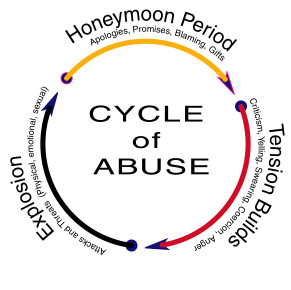
The signs that you are in an abusive relationship include:
- You are afraid to break up.
- You feel tied down and/or obligated to check up with them.
- You’re afraid that they will hurt you.
- You find yourself often depressed, unhappy, or crying.
- You worry/obsess about keeping them happy.
Dating violence is terrible and if you are in an abusive relationship or know someone that is in an abusive relationship, it is important to know where you can get help.
First Steps in a good place to go if you need protection. Candy Phillips spoke of how they help victims know their rights, help make a safety plan, and gives them a safe place to go if they cannot go home.
If you are a student at JMU, Varner House is also a good place to go. The speakers from Varner House, Dr. Jenelle Boo and Patricia Crocker, outlined the services offered at Varner House. They offer individual and group counseling for sexual assault/violence survivors and the counselors help students get connected to other helpful services/groups that could help them. Everything is held confidential. They offer consultation services to those who are secondary survivors (those who are close to people who are survivors of sexual assault/violence) and they offer advocacy services in which they answer any questions you may have or find you to the services you need, even going with you to visit them if necessary.
All in all, I feel that I left feeling better educated at recognizing warning signs and with a secure sense that, if something bad does happen, I know where to get help. This event was well-planned and a good way of spreading awareness. Most of the students were there because of their Health class requirements but I think they were all glad they came. Everyone can do their part to stop dating violence. Ask for help if you need it and don’t be afraid to speak up.
 ShoutOut! James Madison University
I agree that this was a great educational tool, especially for students who are beginning to learn about rape culture and feminist issues. The video was especially enlightening. This post is a great summary of the event!
LikeLike